
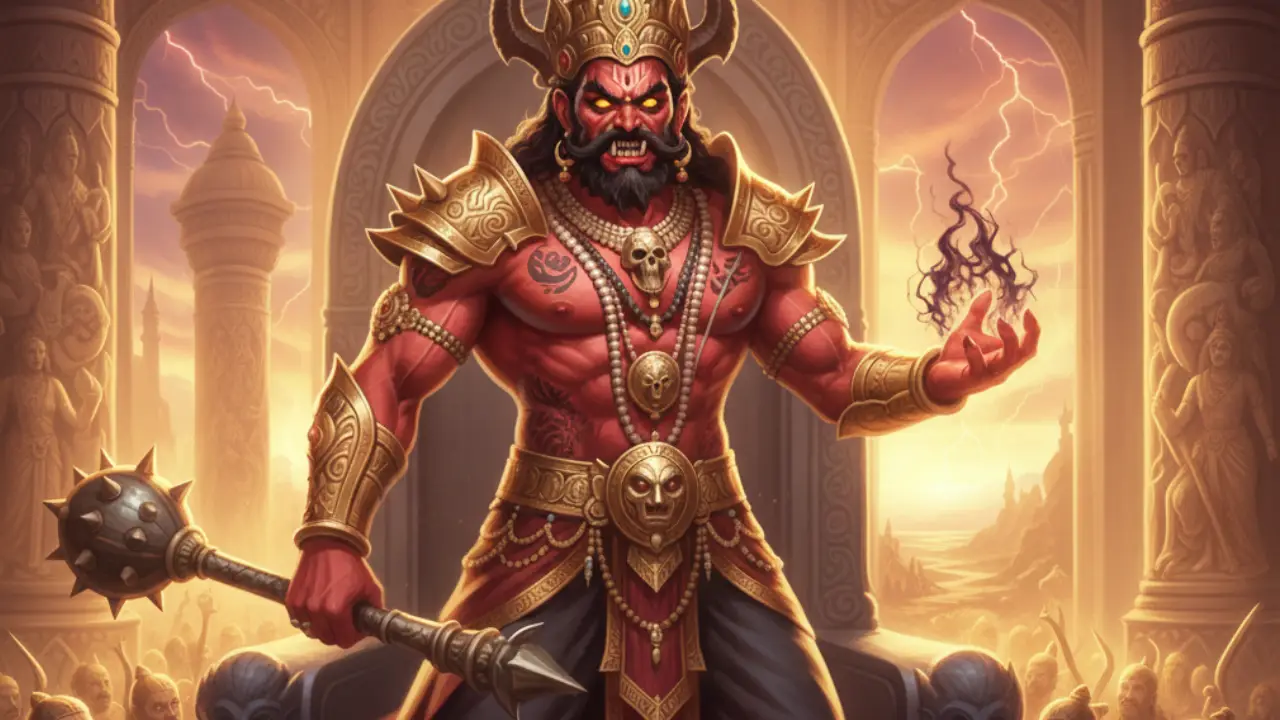
A story of Hiranyakashipu begins with ambition, fear, and wounded pride. Hiranyakashipu was not born cruel. He became dangerous through obsession. His hunger for power slowly consumed every bond he had, even love for his own son. The name Hiranyakashipu still echoes as a warning about unchecked ego and blind control.
This story matters because it mirrors struggles many families quietly face today. Authority without compassion creates distance. Power without wisdom destroys trust. The tale of Hiranyakashipu helps readers reflect on leadership, parenting, and faith through a deeply human lens.
Who Was Hiranyakashipu Really
Hiranyakashipu ruled as a powerful demon king. He sought immortality through intense penance and discipline. His goal was simple. He wanted absolute control over life and death. When he gained extraordinary powers, pride replaced humility.
Power changed how he saw the world. He began to believe fear ensured loyalty. Worship of anyone except himself felt like betrayal. His palace became a place of command, not connection. This shift planted the first seeds of tragedy.
Many leaders fall into this trap today. A manager may demand obedience but ignore respect. A parent may enforce rules but forget empathy. He represents what happens when authority silences love.
A Father Who Feared Losing Control
Hiranyakashipu had one son named Prahlada. The child was gentle, thoughtful, and deeply devoted to divine truth. Instead of following his father’s path, Prahlada chose faith over fear. This choice unsettled Hiranyakashipu deeply.
A father often expects reflection of himself in his child. Hiranyakashipu expected loyalty, praise, and obedience. When his son refused to worship him, anger replaced affection. Control became more important than care.
Many parents recognize this struggle quietly. A child chooses a different career, belief, or lifestyle. Fear of losing influence leads to conflict. Hiranyakashipu allowed that fear to grow into cruelty.
When Belief Becomes a Threat
Faith threatened Hiranyakashipu more than any enemy. Prahlada’s devotion reminded him of limits. Every prayer his son spoke felt like defiance. Hiranyakashipu saw belief as rebellion.
He tried persuasion first, then demanded obedience and finally offered comfort and warnings together. When persuasion failed, punishment followed. Hiranyakashipu believed force could reshape faith.
History shows this pattern often. Ideologies fail when enforced through fear. True belief grows through choice. Hiranyakashipu misunderstood this truth, and the cost was immense.
Attempts to Kill His Own Son
Hiranyakashipu ordered multiple attempts on Prahlada’s life. Poison, fire, weapons, and wild beasts failed each time. These moments reveal the depth of his obsession. Power mattered more than blood.
Each failure hardened Hiranyakashipu further. He refused reflection and humility. He chose escalation instead of understanding.
This mirrors real life in painful ways. Some relationships break because one side refuses to listen. Pride blocks repair. Hiranyakashipu teaches how ego turns disagreement into destruction.
The Inner Strength of Prahlada
Prahlada never fought back with anger. He never mocked his father. His strength came from calm conviction. Faith grounded him through fear.
Children often face pressure to conform. Prahlada’s quiet resistance shows courage without aggression. He trusted values more than approval.
Many readers can relate. Choosing integrity over acceptance often feels lonely. Prahlada’s example reminds readers that inner strength grows through consistency, not force.
The Turning Point of Divine Justice
The climax came when Hiranyakashipu challenged divinity openly. He demanded proof of power. His arrogance blinded him to consequence.
Divine justice arrived without favoritism. Hiranyakashipu faced the result of his own choices. Power built on fear collapsed instantly.
This moment reinforces an important lesson. Control can dominate temporarily. Truth endures longer. Hiranyakashipu fell because he ruled through intimidation, not wisdom.
Lessons for Modern Life
The story of Hiranyakashipu extends beyond mythology. It speaks directly to leadership, parenting, and personal growth. Authority requires balance. Discipline needs compassion.
Leaders today can learn from his mistakes. Fear-based control breeds resentment. Trust builds loyalty. Parents can learn the value of listening without imposing identity.
On a personal level, ego often hides insecurity. Hiranyakashipu feared loss of relevance. Recognizing this pattern helps readers manage their own reactions better.
Why This Story Still Matters Today
Hiranyakashipu remains relevant because human nature remains unchanged. Power still tempts. Control still seduces. Pride still blinds.
Stories endure because they teach without lectures. This tale invites reflection rather than judgment. It encourages readers to choose humility over dominance.
Every family, workplace, and society faces moments of conflict. He shows us what happens when compassion disappears. That lesson holds timeless value.
Final Reflection
This story is not about demons alone. It is about choices, how fear distorts love and about what happens when power silences empathy.
Readers can pause and reflect on their own relationships. Where does control replace understanding? Where does ego block listening?
Share your thoughts below. Which part of his story resonated with you most, and why?