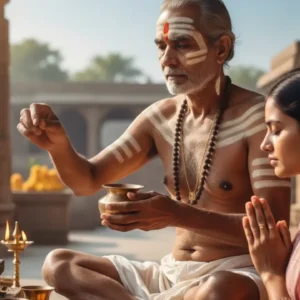
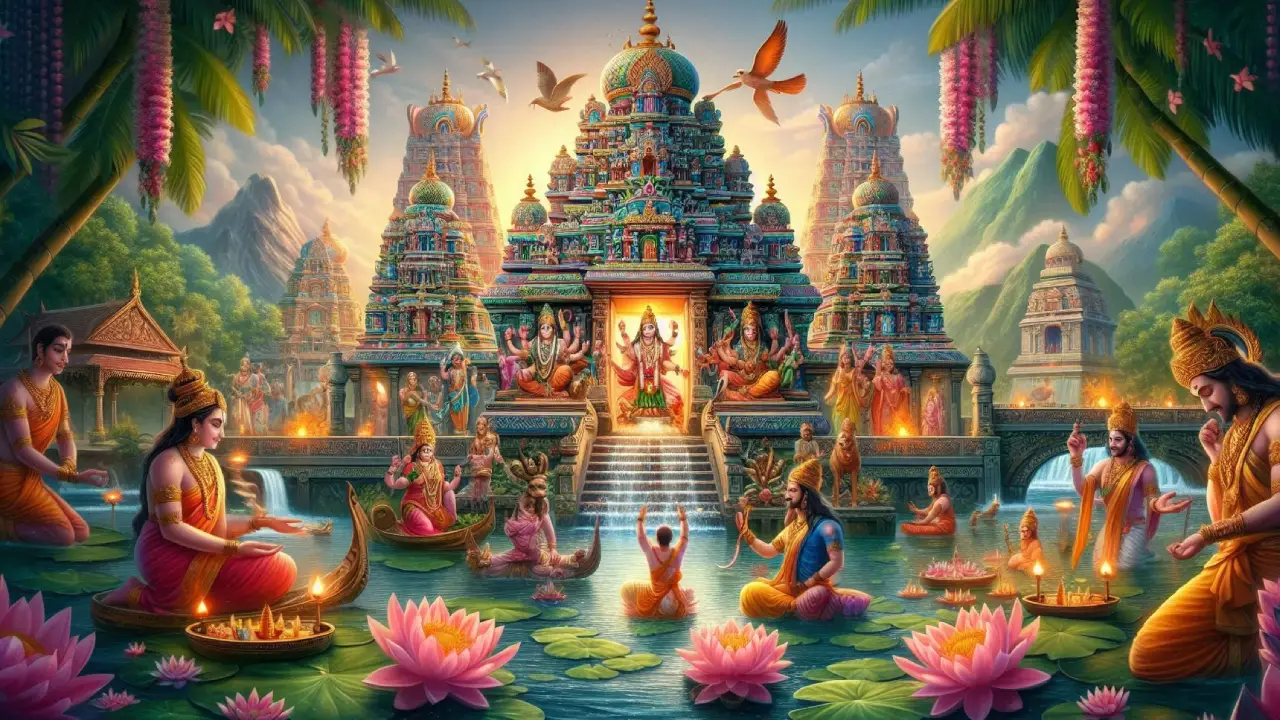
Understanding Hinduism begins with curiosity rather than belief. Hinduism does not ask followers to accept a single truth. It invites exploration through experience, reflection, and daily living. Many people encounter Hinduism through festivals, yoga, or meditation. Few realize how deeply it shapes thought, ethics, and everyday choices.
Hinduism stands as the world’s oldest living religion. It has evolved through thousands of years without a single founder. Its strength comes from adaptability rather than rigid structure. This flexibility allows it to remain relevant across cultures and centuries.
What Makes Hinduism Unique
Hinduism does not follow one book or prophet. It grew through dialogue, debate, and shared wisdom. This quality makes Hinduism feel personal rather than imposed. Followers often describe it as a way of life instead of a religion.
Many spiritual paths exist within Hinduism. Some focus on devotion, while others value knowledge or disciplined action. People choose paths that suit their nature and life stage. This choice removes pressure and encourages responsibility.
A teacher once shared a simple thought with a student. Truth feels different when discovered personally. Hinduism honors this discovery over blind acceptance. That idea continues to guide seekers today.
Core Beliefs That Shape Hindu Thought
Hinduism rests on a few foundational ideas. Dharma refers to ethical living and personal duty. Each person defines dharma through context and conscience. This belief encourages accountability without fear.
Karma explains cause and effect through action. Actions shape character before shaping destiny. People notice this principle daily when habits bring repeated results. Hinduism asks followers to act consciously rather than expect rewards.
Reincarnation reflects the soul’s ongoing journey. Life becomes a classroom rather than a finish line. This belief offers comfort during loss and failure. It reminds people that growth never stops.
Sacred Texts and Living Wisdom
Hinduism holds many sacred texts. The Vedas offer philosophical foundations and ritual insights. The Upanishads explore consciousness and self awareness. These texts ask questions rather than give rigid commands.
Stories from the epics bring ideas into daily life. Characters struggle with doubt, pride, and responsibility. Readers see themselves within these narratives. Wisdom feels practical because it mirrors human experience.
A manager once described learning leadership from ancient stories. He noticed how restraint often achieved better results than force. Hinduism often teaches through such quiet observations. Lessons emerge through reflection rather than instruction.
God, Divinity, and Many Forms
Hinduism recognizes one ultimate reality expressed in many forms. Some worship a personal deity. Others meditate on formless consciousness. Both approaches receive equal respect.
Deities represent qualities rather than distant rulers. Wisdom, courage, compassion, and balance take symbolic form. This symbolism helps people focus on inner growth. Worship becomes self improvement rather than fear driven obedience.
A family may pray together daily. Each member may choose a different form of worship. Hinduism allows unity without uniformity. This balance strengthens relationships rather than divides them.
Practices That Shape Daily Life
Hinduism emphasizes daily practice over occasional rituals. Simple habits like mindful eating reflect spiritual awareness. Gratitude before meals encourages presence and restraint. These acts require no special setting.
Meditation plays a central role for many followers. It sharpens awareness and calms restless thought. People notice better decision making after consistent practice. Hinduism values inner discipline as much as outer behavior.
Acts of service hold spiritual importance. Helping others purifies intention and reduces ego. Many followers volunteer quietly without expectation. Hinduism treats service as worship through action.
Yoga as a Complete System
Yoga began as a spiritual discipline within Hinduism. It addresses body, breath, and mind together. Physical postures represent only one part of the system. Ethical conduct and mental focus matter equally.
People often begin yoga for health reasons. Over time, they notice emotional balance and clarity. The religion views this shift as natural progression. Physical discipline prepares the mind for deeper insight.
A busy professional once practiced breathing techniques daily. Stress reduced without medication. Hinduism encourages such practical experimentation. Results matter more than belief.
Festivals and Symbolic Living
Festivals in Hinduism mark inner transformation. Light symbolizes clarity over ignorance. Renewal reflects courage after hardship. Celebrations combine joy with reflection.
These events strengthen community bonds. Families gather, share food, and tell stories. Children learn values through experience rather than lectures. It uses celebration as a teaching tool.
A traveler once attended a festival abroad. Despite language differences, shared rituals created connection. Hinduism often communicates beyond words. Symbolism speaks universally.
Hinduism and Modern Life
Hinduism adapts easily to modern challenges. Its principles guide ethical choices at work and home. Mindfulness improves focus and emotional control. Responsibility replaces blame.
Many people apply Hindu ideas without formal conversion. Practices like meditation and self study integrate seamlessly. Hinduism respects individual freedom. It never demands abandonment of identity.
A parent once applied karma principles during conflict. Calm responses replaced reactive behavior. Family harmony improved steadily. Hinduism often transforms quietly through daily choices.
Misconceptions About Hinduism
Many believe it promotes blind ritual. Actual practice emphasizes understanding over repetition. Rituals act as tools, not obligations. Meaning matters more than form.
Some view it as complex and inaccessible. Its depth does not prevent simplicity. One can start with small mindful habits. Growth happens gradually.
Another misconception assumes uniform belief. It accepts disagreement and debate. Diversity strengthens rather than weakens tradition. This openness explains its longevity.
Why Hinduism Continues to Matter
It offers tools for self mastery. It encourages responsibility without fear. Its wisdom applies across professions and cultures. People use it to navigate stress, purpose, and relationships.
This tradition respects both science and spirituality. Inquiry never threatens faith. Questions drive progress rather than doubt. Hinduism thrives through dialogue.
Understanding Hinduism helps people understand themselves. It invites reflection instead of instruction. That invitation remains timeless and relevant.
Final Thoughts and Invitation
Understanding Hinduism requires patience and openness. Its wisdom unfolds through living rather than reading alone. Small practices often bring the deepest change. Consistency matters more than perfection.
Hinduism continues to guide millions quietly. Its strength lies in personal responsibility and inner awareness. Each seeker shapes their own path with honesty.
Share your thoughts below. Which idea from Hinduism resonated with you most. Your experience may help another reader begin their journey.