
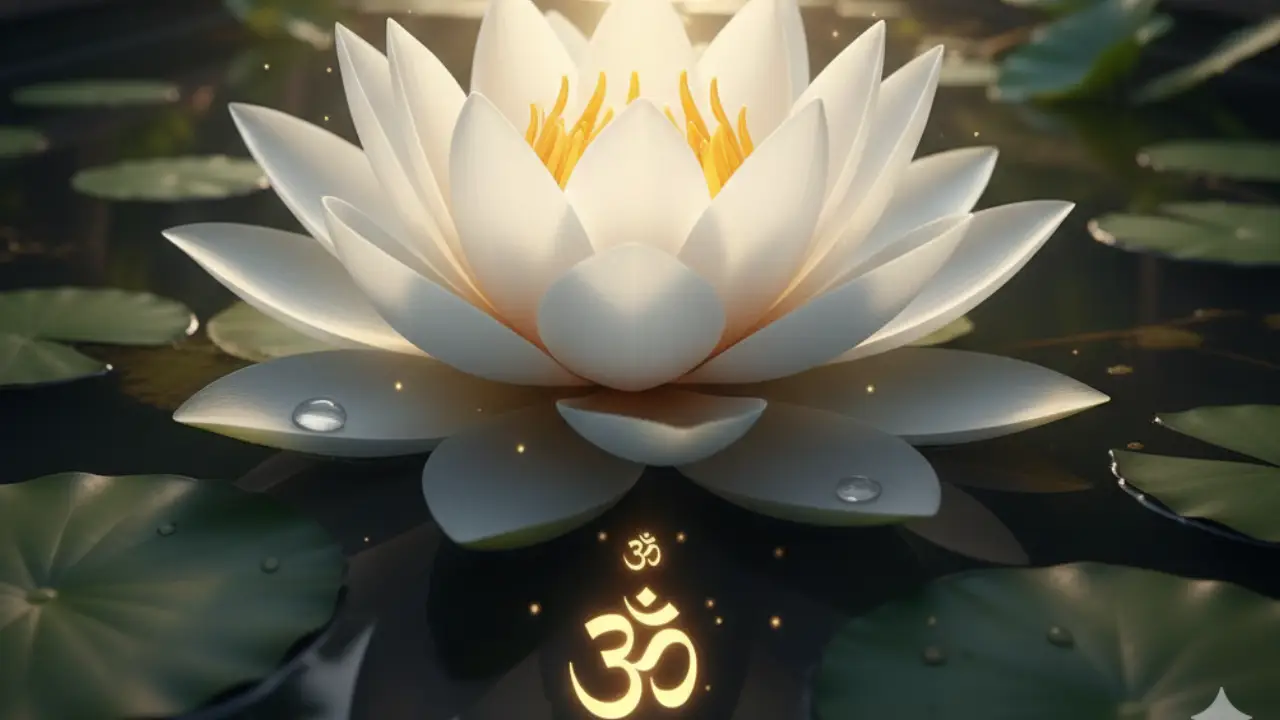
The lotus flower has fascinated saints, seekers, and artists for centuries. Its unique ability to bloom beautifully above muddy waters makes it more than a symbol of beauty. For many cultures, especially within Hinduism, the lotus flower carries deep spiritual meaning. It stands for purity, self-realization, and the journey of rising above life’s struggles.
The Lotus Flower in Hindu Scriptures
Hindu texts frequently mention the lotus flower when describing divinity. Goddess Lakshmi, the deity of wealth and fortune, sits gracefully on a blooming lotus. Lord Vishnu is often shown holding one in his hand. Even Lord Brahma, the creator of the universe, is said to have emerged from a lotus that grew from Lord Vishnu’s navel.
These references are not just artistic. They carry spiritual lessons. The lotus represents the idea of detachment. Despite growing in muddy water, it remains clean and untouched. Similarly, humans are encouraged to live in the world without getting trapped by its impurities.
Rising Above Challenges
Think about someone working in a difficult environment. A friend of mine, Raj, once worked in a corporate job where dishonesty was common. Instead of falling into the same patterns, he chose integrity. Over time, his reputation for honesty earned him respect and better opportunities. This story reflects the message of the lotus flower. Even when surrounded by mud, it chooses to rise and bloom.
This lesson applies to anyone facing negativity. You may not control your environment, but you can control your response. The lotus reminds us that dignity and purity are possible even in unfavorable conditions.
Purity of Heart and Mind
The lotus flower’s spotless petals symbolize purity. In spiritual practice, this points to cleansing the heart and mind. A cluttered mind filled with anger, envy, or greed blocks growth. By practicing meditation and devotion, we begin to clear those inner weeds.
One daily practice you can try is chanting or repeating a prayer while focusing on the image of a lotus. Imagine each petal unfolding as your thoughts become calmer. Many practitioners report a sense of peace and clarity after adopting this simple exercise.
The Lotus and Self-Realization
Beyond purity, the lotus flower also represents self-realization. Just as the lotus rises toward the sun, the soul seeks enlightenment. Yogis and sages often use the lotus as a metaphor for awakening the higher self.
For example, the chakras in yogic tradition are sometimes pictured as lotus flowers. Each chakra unfolds like petals, representing deeper awareness. When you meditate, visualize energy moving upward, just as a lotus grows from mud toward the light.
This imagery makes spiritual growth feel real and attainable. Instead of seeing enlightenment as a distant goal, you can picture it step by step.
The Lotus as a Symbol of Detachment
Detachment is often misunderstood. It does not mean avoiding relationships or duties. It means engaging fully without being enslaved by outcomes. The lotus flower teaches this lesson perfectly. Its petals stay untouched by the muddy water beneath it.
Take the example of a teacher who invests effort in every student. She teaches with passion but accepts that not every child will excel equally. She remains committed yet detached. Her joy comes from teaching itself, not from controlling results.
This balance of effort and detachment creates peace. The lotus reminds us that we can live fully while keeping our inner self untouched.
Applying the Lotus Symbol in Daily Life
The lotus flower’s message is practical, not abstract. Here are some ways to apply its wisdom:
Stay pure in thoughts: Avoid gossip, lies, and harmful actions. Like the lotus, keep your inner space clean.
Rise above negativity: Do not let hostile environments shape your character. Choose kindness and honesty instead.
Practice meditation: Visualize the lotus unfolding as a way to center your mind.
Detach from results: Give your best effort in work or relationships but release the need to control outcomes.
Seek growth: Just as the lotus grows upward, commit to learning and evolving every day.
When practiced daily, these steps transform the lotus flower from a symbol into a living guide.
The Lotus in Festivals and Rituals
Hindu rituals often include lotus flowers as offerings. Devotees present them to deities during puja. The act of offering a lotus is not only about beauty. It reflects a desire to give the purest and best to the divine.
During Diwali, images of Goddess Lakshmi sitting on a lotus are displayed in homes. This connects wealth with purity. True abundance is not only financial but also moral and spiritual.
Such practices remind us that the lotus flower is not just symbolic but part of living traditions.
A Universal Symbol
Although deeply rooted in Hinduism, the lotus flower is honored worldwide. In Buddhism, it represents enlightenment. In ancient Egypt, it stood for rebirth. This universality proves its timeless wisdom. People across cultures recognize the importance of rising above limitations.
It shows that the lotus is not bound by culture but speaks to the human spirit. Its beauty and resilience inspire all who seek a higher purpose.
Final Thoughts
The lotus flower holds deep spiritual meaning because it mirrors life’s journey. It teaches purity, detachment, and self-realization. It inspires us to rise above challenges and stay true to our inner nature.
When you next see a lotus, pause and reflect. Ask yourself: how can I live with the same strength and grace? That single reflection can transform how you approach your daily struggles.
The lotus is not just a flower. It is a reminder that you, too, can rise and bloom.
How does the lotus flower inspire you in your personal journey? Share your thoughts in the comments. Your story may help others find strength.