
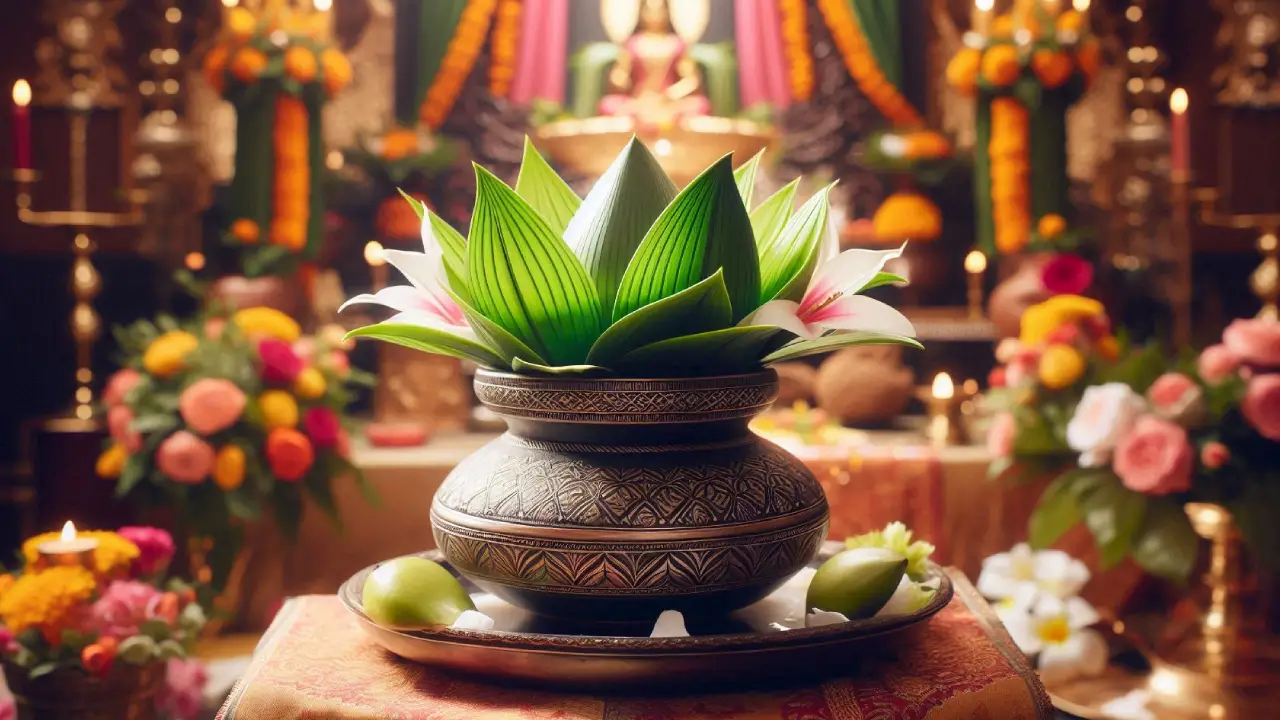
Navratri brings nine sacred nights of devotion, and the ritual of Navratri kalash sthapana marks its auspicious beginning. This ritual is not just symbolic. It is a way to invite divine energy into the home and ensure the festival starts with sanctity. Many families perform it, but often with doubts about the exact steps. This guide will help you understand not only the procedure but also the deeper significance behind each action.
The Importance of Kalash in Navratri
The kalash, or sacred pot, represents creation and abundance. Water inside the kalash stands for life-giving energy, while mango leaves symbolize fertility. A coconut placed on top represents prosperity and spiritual fulfillment. When devotees perform Navratri kalash sthapana, they are essentially inviting Goddess Durga into their homes.
Think of the kalash as a spiritual magnet. It draws positivity, wards off negative vibrations, and sets the tone for nine days of worship. My grandmother often reminded us that the way you begin Navratri decides the energy of the entire celebration. Her devotion during sthapana created a warmth that made the festival feel more alive.
Preparing for Navratri Kalash Sthapana
Before the ritual, preparation matters. Clean the house thoroughly because purity of space is seen as a reflection of inner purity. Choose the location carefully, usually a small altar in the east or northeast corner of your home. This placement aligns with traditional Vastu practices that encourage positive energy flow.
Gather all the items beforehand. Running around mid-ritual breaks the sanctity. Here’s a checklist:
A clean copper, brass, or clay pot
Fresh water
Betel or mango leaves
A whole coconut (preferably with husk)
Red cloth or chunari
Rice grains
Durva grass or barley seeds for sowing
Sand or soil to hold the seeds
Kumkum, Haldi, and sandalwood paste
Flowers and incense
Having these items ready makes the ritual smooth and focused.
Step-by-Step Guide to Navratri Kalash Sthapana
Step 1: Purify Yourself
Take a bath early in the morning. Wear clean clothes, preferably in traditional attire. Devotees often choose red or yellow, as both symbolize devotion and energy.
Step 2: Prepare the Space
Spread a clean cloth on the altar and sprinkle Gangajal or holy water. Place a bed of rice grains where the kalash will sit. Rice signifies prosperity and stability.
Step 3: Fill the Kalash
Fill the pot with water, a few grains of rice, a betel nut, and sometimes a coin for abundance. These items represent different aspects of life—wealth, continuity, and sacred energy.
Step 4: Decorate the Kalash
Place five mango leaves around the rim. Make sure the tips face outward. The leaves symbolize the five elements—earth, water, fire, air, and space—ensuring balance in life.
Step 5: Place the Coconut
Wrap a coconut in red cloth or tie it with moli (sacred thread). Place it gently on top of the kalash. The coconut stands for prosperity, purity, and fertility. Some families draw the Swastika symbol with kumkum for added blessings.
Step 6: Sow the Seeds
In front of the kalash, prepare a small area with soil or sand. Sow barley or wheat seeds and water lightly. As the days pass, the green shoots that sprout signify growth and renewal. This act reflects your prayers for flourishing health and wealth.
Step 7: Invoke the Goddess
Light a diya and incense. Chant the Durga mantras or recite prayers like the Durga Saptashati. Offer flowers, fruits, and sweets. While chanting, focus your thoughts on inviting Goddess Durga into the kalash.
The Significance of Daily Worship
Kalash sthapana is only the beginning. Each day of Navratri, devotees light the diya and perform aarti. Fresh flowers are offered, and the barley shoots are watered. Watching the green sprouts grow daily gives a sense of spiritual progress.
A friend once shared how his family faced a difficult year. Yet, during Navratri, they remained committed to daily worship. The growth of barley shoots gave them hope, reminding them that even in hardship, life renews itself.
Common Mistakes to Avoid
Many people unknowingly make errors during Navratri kalash sthapana. Avoid these mistakes:
Placing the kalash in a cluttered area
Using artificial or stale leaves and flowers
Forgetting to change the water if it turns murky
Ignoring daily prayers after sthapana
These small lapses weaken the energy you invite into your home. Remember, devotion is in the details.
Spiritual and Practical Benefits
Performing Navratri kalash sthapana brings more than blessings. It also creates a structured rhythm in your household. For nine days, you dedicate time to prayer, reflection, and discipline. This brings calmness and clarity.
Children, too, absorb values during these rituals. I recall as a child helping my mother water the barley seeds daily. It taught me patience, responsibility, and the joy of watching something grow. Today, when I guide my own children in the ritual, it feels like passing on a legacy.
Advanced Takeaways for Devotees
If you want to deepen your practice, consider these insights:
Meditate briefly after the sthapana to center your mind.
Write your intentions or prayers and keep them near the kalash.
Offer different colors of flowers each day to align with the day’s Goddess.
Reflect on one quality of the Goddess each day and try to embody it.
These practices make Navratri a personal journey, not just a ritual.
Conclusion
Navratri kalash sthapana is more than tradition. It is a conscious act of inviting divine energy into your life. By performing it with devotion and care, you create a sacred space that nurtures both spiritual and personal growth.
Now it’s your turn. How do you perform kalash sthapana in your home? Share your experience or any special family traditions in the comments. Your insights might inspire someone beginning their journey.