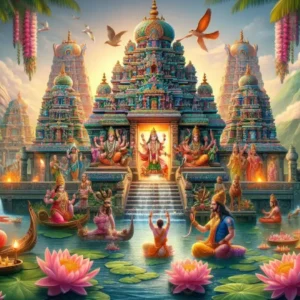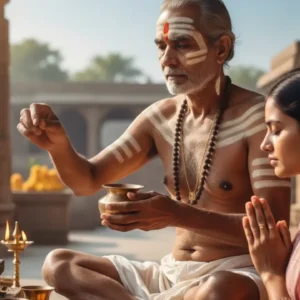

,A child’s first instinct is to call out to its mother. That natural longing, that deep trust, is what bhakti feels like. Bhakti in Hinduism is more than just prayer or worship—it’s about love. A personal, emotional connection with the Divine, nurtured through surrender, trust, and faith.
Bhakti isn’t reserved for saints or scholars. It’s a practice anyone can cultivate. A homemaker, a farmer, a student—anyone with a loving heart can walk this path.
What is Bhakti in Hinduism?
Bhakti means devotion. It comes from the root word bhaj, which means “to share” or “to belong.” It’s about building a relationship with God, not out of fear, but out of love.
Bhakti is one of the main paths in Hindu philosophy. While Jnana (knowledge) and Karma (action) focus on intellect and deeds, bhakti emphasizes the heart. It’s the soul calling out to its Source, not because it has to, but because it wants to.
The Core Message: Love Over Ritual
Devotion doesn’t require elaborate rituals or Sanskrit mantras. A sincere heart matters more than fancy ceremonies. A poor man offering a single tulsi leaf with love is more cherished than a thousand gold coins given without feeling.
Saints like Kabir, Mirabai, and Tulsidas taught this truth. They broke social barriers, sang the names of God, and showed how love alone can bring us closer to the Divine.
Types of Bhakti in Daily Life
Hinduism describes nine forms of bhakti in Hinduism (Navadha Bhakti), each offering a different way to connect with God:
Shravanam – Listening to stories of God.
Kirtanam – Singing devotional songs.
Smaranam – Remembering God.
Padasevanam – Serving the feet of the Lord.
Archanam – Offering prayers and items.
Vandanam – Bowing and paying respects.
Dasyam – Serving God as a humble servant.
Sakhyam – Befriending God.
Atmanivedanam – Total surrender.
You don’t have to follow all nine. Even picking one and practicing it daily can change your spiritual life.
Bhakti in Hinduism Isn’t Just for Temples
Think of the mother cooking while chanting the name of Krishna. Or the taxi driver playing devotional songs while driving. These are acts of Bhakti. You can chant silently while walking. You can sing while doing dishes. God doesn’t care about location. Bhakti is portable—it travels with your heart.
The Rickshaw Puller and His God
Once in Varanasi, a man boarded a rickshaw. The puller had a small photo of Lord Shiva stuck on the handlebar. Every time the rickshaw passed a temple, he would ring his bell and whisper, “Namah Shivaya.”
The man asked, “Do you believe He listens?”
The rickshaw puller smiled and said, “I don’t know about Him listening. But I feel peaceful when I say it.”
That’s Bhakti. Not seeking miracles. Just seeking closeness.
Famous Saints Who Walked the Bhakti Path
Mirabai: A Rajput princess who gave up royal comforts to sing for Krishna. Her love was intense, fearless, and unconditional.
Tulsidas: He wrote the Ramcharitmanas, not to impress scholars, but to connect common people to Lord Rama.
Sant Tukaram: A simple man from Maharashtra who used devotional poetry to reach God. His abhangas (verses) are still sung in villages today.
These saints remind us that Bhakti isn’t bound by education, caste, or gender. All you need is an open heart.
Why Bhakti Still Matters Today
Modern life is fast and stressful. We’re always rushing—emails, deadlines, bills. We’ve become busy, but not always fulfilled.
Bhakti brings balance. It grounds us. A simple prayer, a short chant, or lighting a lamp can instantly change the mood. It gives purpose to the day.
Science says gratitude and love improve mental health. Bhakti gives you both. You start seeing life as a gift from the Divine.
Bhakti as a Daily Practice
Here’s how you can bring Bhakti into your life, even with a busy schedule:
Start your morning with five minutes of chanting or silent prayer.
Keep a small altar or photo of your Ishta Devata (personal deity).
Read or listen to a verse from the Bhagavad Gita or Ramayana daily.
Offer your food with love before eating.
End your day with a thank-you prayer.
It’s not about perfection. It’s about presence. God sees your effort, not your grammar.
Bhakti Across Paths and Traditions
Hinduism accepts many paths to the Divine. You can be a devotee of Shiva, Krishna, Durga, or any form. Bhakti unites them all.
Whether you follow Vaishnavism, Shaivism, or Shaktism, the heart of your practice can be love. That’s the beauty of Bhakti in Hinduism. It allows individuality and intimacy together.
Common Myths About Bhakti in Hinduism
“Bhakti is emotional weakness.”
Not true. It takes strength to surrender your ego. Bhakti needs courage and honesty.
“You must suffer for Bhakti.”
Another myth. Bhakti is joy. It’s singing, dancing, and smiling with God.
“Bhakti is for the old.”
Wrong again. Devotion doesn’t come with an expiry date. Even children can feel connected through love and prayer.
Bhakti in Festivals and Celebrations
Festivals like Janmashtami, Navratri, and Ram Navami are expressions of Bhakti. People fast, sing, dance, and serve.
Take Navratri, for example. A young girl may dress up as Goddess Durga. An old man might chant Devi’s names all night. Both are expressing Bhakti in their own way.
These celebrations aren’t just cultural—they’re deeply devotional.
Bhakti Helps You Face Life’s Storms
Devotion doesn’t remove problems, but it gives strength to deal with them. When life throws challenges, a person with Bhakti remains calm.
They trust God’s plan. They accept what comes. That acceptance is not passive—it’s peaceful.
Final Thoughts: A Love That Transforms
Bhakti in Hinduism is not just about religion. It’s about relationship with the Divine yourself and the world.
When you walk the path of Bhakti, every moment becomes sacred. You begin to see God not just in temples, but in life itself.
Whether you chant, sing, serve, or simply remember God silently—do it with love. That’s all that matters.
Have you experienced Bhakti in your life? Do you chant, sing, or serve with devotion? Share your story in the comments below. Your words may inspire someone else to begin their journey of love and devotion.