
You don’t need a grand temple or a life of luxury to feel fulfilled. Sometimes, faith in Santoshi Maa is enough. This quiet yet powerful goddess has become a comforting presence for millions, especially women, across the globe. Her simplicity, her acceptance, and her gentle strength make her the perfect goddess for modern times.
Let’s explore why Santoshi Maa continues to capture hearts and how you can connect with her energy.
Who Is Santoshi Maa?
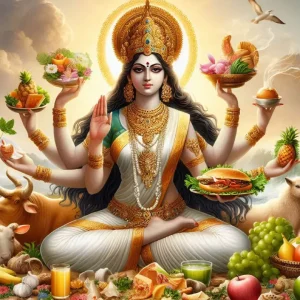
Santoshi Maa is often referred to as the goddess of satisfaction and contentment. Unlike many ancient deities, her worship became widespread only in the last century. Her origin story is not found in the traditional Vedas or Puranas but was embraced through folk faith and deep devotion. It was the 1975 film Jai Santoshi Maa that made her a household name. Yet, her power lies not in mythology but in the way she impacts daily lives.
She’s often seen holding a sword and a bowl of raw sugar and gram — simple offerings from simple people. She represents the kind of strength that doesn’t shout, but stays steady.
Why People Relate to Santoshi Maa
Santoshi Maa stands out because she asks for little and gives peace in return. Devotees don’t need costly items or complex rituals to worship her. Her vrat (weekly fast) on Fridays is easy to follow and brings a strong sense of purpose.
This makes her especially popular among working women, homemakers, and students. They see her as someone who understands their quiet struggles and silent prayers.
One woman in Toronto shared that during her divorce, the Friday vrat gave her strength. She didn’t have a strong spiritual background but was drawn to the simplicity of Santoshi Maa’s worship. Within weeks, she felt calmer and more in control of her emotions.
The Power of the Santoshi Maa Vrat
The Friday fast is the core of Santoshi Maa’s worship. It’s observed with devotion and patience for 16 consecutive Fridays.
Here’s how you do it:
Wake up early and bathe.
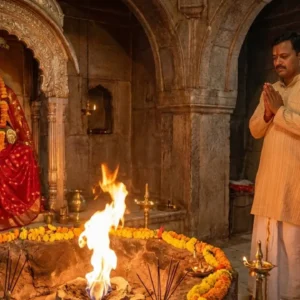
Clean your home altar and light a diya for her.
Offer raw sugar and roasted chickpeas.
Read the Santoshi Maa Vrat Katha.
Avoid sour foods like lemon or curd.
Break your fast only after prayer.
Many believe that keeping this vrat brings peace at home and fulfills heartfelt wishes.
What matters most is faith and consistency. Even if you miss a Friday, starting over with sincerity is encouraged.
Santoshi Maa in Daily Life
Devotion to Santoshi Maa is not limited to ritual. She becomes a part of daily life, guiding people through small, consistent actions. For instance, being thankful for small blessings is a form of worship. So is staying content with what you have, even as you work for more.
A young couple from London shared how they began keeping the vrat when facing financial hardship. They couldn’t afford large religious ceremonies but found meaning in the simplicity of Santoshi Maa. Today, they continue the practice even though their situation has improved.
For them, she’s not just a goddess but a symbol of endurance.
Faith Without Pressure
Unlike deities that require elaborate pujas, Santoshi Maa invites you to come as you are. There’s no pressure to be perfect. Your effort, however small, is enough.
This inclusiveness is why her worship spread organically. Word of mouth, shared stories, and personal experiences have carried her name across cities and countries.
She’s become the goddess people turn to during silent struggles. Whether you are stressed about exams, relationships, or your health, her worship brings comfort. There’s peace in knowing that someone listens — without judging or demanding.
Why Her Relevance Keeps Growing
As the world becomes more chaotic, people crave inner peace. Santoshi Maa stands as a reminder that joy doesn’t come from external success alone. It comes from feeling safe, seen, and steady inside.
Her increasing popularity is not a trend. It reflects the deep need for simple, compassionate spirituality in a complex world.
She speaks to those who don’t feel seen in traditional systems. To those who have never visited a temple but still whisper prayers at night. To those who want to believe but don’t know where to start.
Building a Personal Connection
You don’t need to know all the mantras or perform grand rituals.
Start small.
Light a diya on Friday.
Speak to her like you would speak to a trusted friend.
Read or listen to the Santoshi Maa Katha.
Reflect on what contentment means to you.
Keep raw sugar and roasted chickpeas near her image as an offering.
But most of all, be honest.
She responds to sincerity more than perfection.
A Living Tradition
Today, Santoshi Maa temples exist across India and even in countries like the US, UK, and Canada. But even if you never visit one, she can be close. Your home altar, a corner of your room, or even your heart can be her space.
Children, teenagers, and elders alike have reported feeling a deep bond with her. Whether through dreams, signs, or subtle peace, her presence is real for many.
The idea of contentment as a spiritual path is powerful. It teaches us that the ultimate prayer is not for wealth or fame — it’s for peace of mind. And Santoshi Maa is the goddess who grants it.
Final Thoughts
Santoshi Maa’s worship isn’t about grand gestures. It’s about quiet faith, honest prayer, and a desire to live with inner peace. She continues to grow in relevance because her energy matches what we need — simplicity, calm, and courage.
If you feel overwhelmed or lost, start a small dialogue with her. Let her be the calm in your storm. You’ll be surprised how quickly you begin to feel seen and supported.
What about you?
Have you ever felt the presence of Santoshi Maa in your life?
Do you follow the Friday vrat or have a personal story to share?
Drop a comment below — your story may inspire someone else.