
The story of goddess Durga and her nine forms is not just mythology. It is a living inspiration for millions of devotees. Durga represents Shakti, the divine feminine energy that destroys negativity and restores balance. Every year, her story is celebrated during Navratri, where her nine forms are worshipped with deep devotion. These forms are not just deities to be revered but powerful symbols that guide us in daily life.
Why the Nine Forms Matter
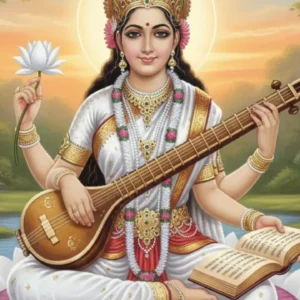
Each form of Durga carries a unique energy and lesson. Together, they represent courage, compassion, knowledge, prosperity, and protection. By understanding these forms, devotees can align their lives with higher values. A student may draw strength from Goddess Saraswati’s blessings hidden within Durga’s wisdom forms. A working professional may connect with her warrior aspect to face challenges. A parent may pray to her nurturing form for patience and kindness.
The Story of Durga’s Battle
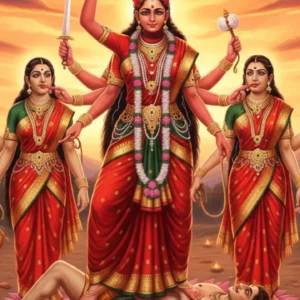
The most famous story about Durga comes from her battle with the demon Mahishasura. He had grown arrogant with power and terrorized the heavens. None of the gods could defeat him. So, they combined their divine energy, and from that light, Durga emerged. She fought Mahishasura for nine days and nights. On the tenth day, she finally destroyed him. This is why Vijayadashami or Dussehra is celebrated as the triumph of good over evil.
This battle is more than history. It mirrors the struggles we all face against fear, doubt, or negativity. When life feels overwhelming, remembering Durga’s courage can be empowering.
The Nine Forms of Goddess Durga
Let us explore goddess Durga and her nine forms, each worshipped on a different day of Navratri.
1. Shailaputri
She is the daughter of the mountains, representing purity and grounded strength. Her calm energy inspires stability. For people who feel scattered, meditating on Shailaputri encourages patience.
2. Brahmacharini
This form signifies devotion, meditation, and inner discipline. Students and seekers often pray to her for focus. Her example reminds us that perseverance can transform any journey.
3. Chandraghanta
With a crescent moon on her forehead, she embodies grace mixed with power. She rides a lion, showing courage with compassion. A devotee once shared that meditating on Chandraghanta helped her overcome stage fear before important presentations.
4. Kushmanda
She is believed to have created the universe with her smile. She represents light, positivity, and vitality. People turn to her for health and joy in life.
5. Skandamata
As the mother of Lord Kartikeya, she symbolizes nurturing love. She blesses families with harmony. Parents often find strength in her image during stressful times.
6. Katyayani
Born to Sage Katyayan, she is fierce and powerful. She destroys negativity and injustice. Many young women pray to her for courage in relationships and marriage.
7. Kalaratri
Dark and terrifying in form, she is the destroyer of fear. She protects her devotees from harm. I once met a traveler who said repeating her name gave him courage during solo journeys in dangerous places.
8. Mahagauri
Pure and serene, she is worshipped for forgiveness and inner peace. Her energy inspires kindness and purity of thoughts.
9. Siddhidatri
The final form grants spiritual wisdom and supernatural powers. She represents completion, fulfillment, and unity with the divine.
Together, these nine forms embody the entire spectrum of human and spiritual life.
Practical Lessons from the Nine Forms
The story of goddess Durga and her nine forms is not limited to rituals. It has practical applications in daily living.
Strength from Shailaputri: When facing work stress, ground yourself with steady breathing and affirmations.
Discipline from Brahmacharini: Dedicate time daily to learning or meditation, no matter how busy life gets.
Balance from Chandraghanta: Practice assertiveness with kindness in conversations.
Positivity from Kushmanda: Begin your day with gratitude to set a positive tone.
Love from Skandamata: Prioritize family meals or conversations to nurture bonds.
Courage from Katyayani: Speak up against injustice in your surroundings.
Protection from Kalaratri: Trust your inner instincts when making tough decisions.
Purity from Mahagauri: Let go of grudges to maintain peace of mind.
Wisdom from Siddhidatri: Keep a journal to reflect on spiritual growth.
These small yet meaningful actions allow us to live Durga’s teachings daily.
How the Story Shapes Faith Today
The relevance of Durga’s story is timeless. Whether you are a homemaker, a student, or a professional, her forms bring inspiration. During the pandemic, many families shared how collective prayers to Durga’s nine forms gave them hope. Some reported feeling less anxious and more resilient.
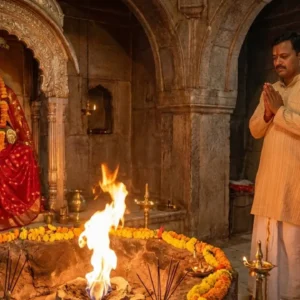
Faith in her power also creates community strength. Navratri celebrations bring people together through rituals, fasting, songs, and dance. These gatherings remind us of the importance of unity, especially in times of struggle.
Why Shakti Is Still Needed
In a world where challenges never seem to end, the message of Shakti remains powerful. Durga’s energy reminds us to face problems head-on. She tells us that strength is not about aggression but about balance. She shows that love and courage can exist together.
When a person embraces Shakti, they stop feeling helpless. They begin to act with purpose and confidence. This is why the worship of goddess Durga and her nine forms remains so important.
What does Durga’s story mean to you personally? Which of her nine forms inspires you the most in your daily life? Share your thoughts in the comments. Your story might inspire someone else who is seeking guidance from the power of Shakti.