A soul’s journey does not end with death. Hindus believe that departed ancestors still expect respect and offerings. That’s where Pitru Paksha becomes deeply significant. This period, observed each year, is dedicated to honoring ancestors through sacred rites like Tarpan and Pinda Daan.
These rituals are more than just tradition. They are emotional, spiritual, and symbolic bridges between the living and those who have passed on. Every Hindu devotee should understand their importance and learn how to perform them meaningfully.
What Is Pitru Paksha?
Pitru Paksha is a 16-day lunar period in the Hindu calendar, usually in September or October. Devotees believe that during these days, the souls of ancestors visit the Earth. It’s a time to show gratitude by offering food, water, and prayers.
This period follows immediately after the celebration of Ganesh Chaturthi. It is believed that Lord Yama, the god of death, grants permission for the souls to visit their families during Pitru Paksha.
Many families across India and other parts of the world gather to perform the rites of Tarpan and Pinda Daan during this time.
The Meaning of Tarpan
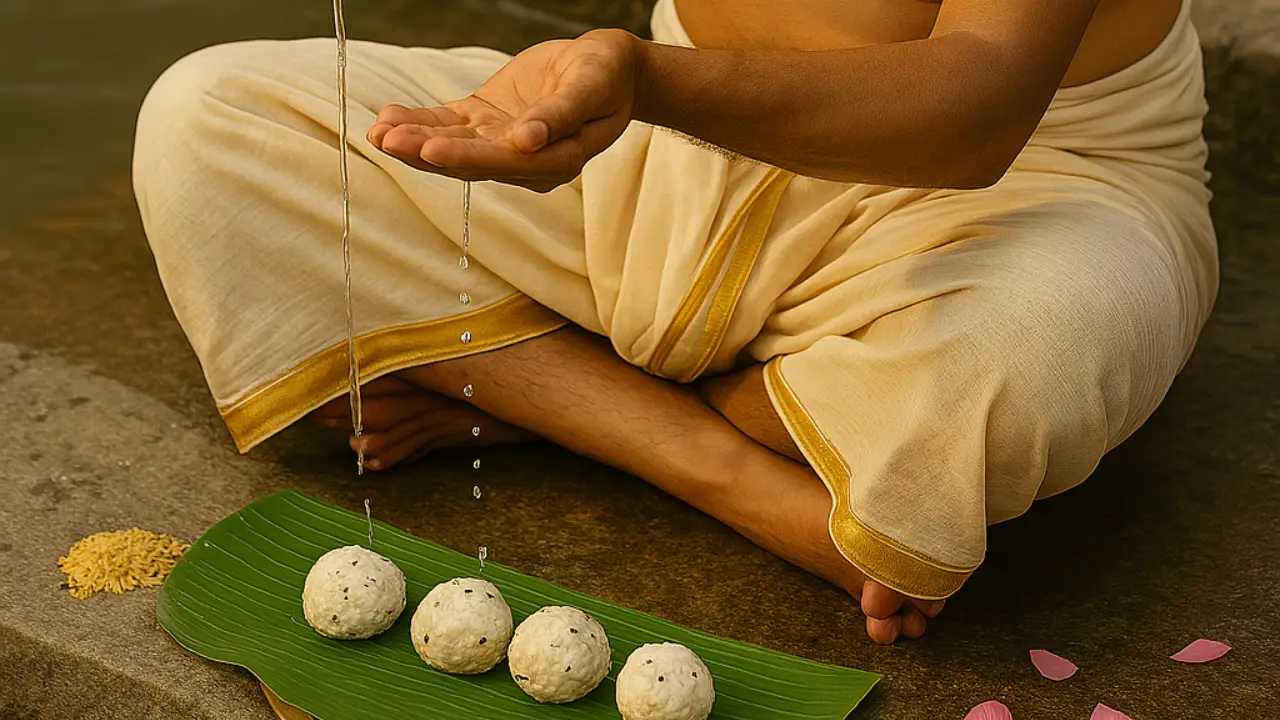
Tarpan comes from the Sanskrit root “trup” which means “to satisfy.” The ritual involves offering water mixed with black sesame seeds, barley, and sometimes rice flour. These are offered while chanting specific mantras that invoke and satisfy the souls of one’s ancestors.
During Tarpan, the offerings are poured using the right hand and directed southwards. This direction symbolizes the path of ancestors.
The act is not just religious but deeply personal. People often recall memories of the departed while performing the rites. It is a moment of emotional connection as well as spiritual duty.
What Is Pinda Daan?
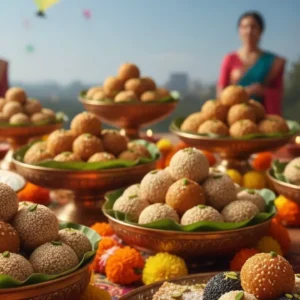
Pinda Daan is the ritual offering of rice balls (pinda) made from cooked rice, barley flour, sesame seeds, ghee, and honey. These balls represent the body of the deceased. Offering them helps the soul detach from the material world and move peacefully towards liberation or rebirth.
Unlike Tarpan, which is about satisfying and invoking, Pinda Daan is about aiding the soul’s transition and settling karmic debts. Many Hindus believe that until Pinda Daan is done, the soul may remain restless or bound to Earth.
Why These Rituals Matter
Ignoring the duties of Pitru Paksha is believed to bring misfortune. Ancestors who are not satisfied or remembered can cause disturbances in one’s life, known as “Pitru Dosha.”
Performing Tarpan and Pinda Daan:
Brings peace to the souls of the departed
Clears obstacles in personal and professional life
Strengthens the family’s spiritual foundation
Creates a deeper emotional connection with family history
Many devotees share stories of sudden changes in fortune, good health, and emotional peace after performing these rituals sincerely.
Who Should Perform the Rituals?
Ideally, the eldest male member of the family performs Tarpan and Pinda Daan. However, times are changing. Today, women also perform these rites in some communities. What matters most is the devotion and intention behind the act.
If one’s father is alive, the rituals are usually not performed by the son. Instead, the grandfather or great-grandfather may be honored. But if the father is deceased, the responsibility lies with the son or daughter.
How and Where to Perform Tarpan and Pinda Daan
While these rituals can be done at home, certain holy places are considered more powerful:
Gaya (India)
Prayagraj (India)
Haridwar (India)
Trimbakeshwar (India)
Rameshwaram (India)
However, not everyone can travel. The key is sincerity. Even if you perform Tarpan and Pinda Daan at home, do it with devotion and understanding.
You’ll need:
Black sesame seeds
Barley flour
Water in a copper or brass vessel
Cooked rice
Cow’s ghee
Banana leaves or a clean plate for offerings
Always consult a knowledgeable priest to guide you through the process. Their guidance ensures the mantras and gestures are done correctly.
A Personal Story of Faith and Transformation
Rajiv, a software engineer living in New Jersey, never paid attention to Pitru Paksha. His father had passed away five years ago. Life was stressful. Health problems appeared from nowhere, work felt stuck, and relationships were strained.
One year, at his mother’s request, he took a day off. He connected with a Hindu temple nearby and performed Tarpan for the first time. As strange as it felt initially, he felt a sense of calm afterwards.
That year, he noticed things starting to shift. His job improved. He mended old relationships. Whether coincidence or not, Rajiv became a firm believer in the power of ancestral blessings.
Common Mistakes to Avoid
Skipping the ritual out of ignorance: Even a simple offering of water and prayers is better than doing nothing.
Performing it casually: This is not a formality. It requires respect and focus.
Offering meat or alcohol during Pitru Paksha: Follow a pure vegetarian and satvik diet during this period.
Missing the dates: Check the lunar calendar for the exact tithi (death anniversary) of the ancestor and perform the ritual on that day.
Can I Do It Without a Priest?
Yes, if you understand the basics, you can do a simple version at home. Set up a clean space. Place a photo of the ancestor. Light a lamp. Offer water, sesame, and rice with sincere prayers. That alone can bring peace and connection.
However, for full rituals, guidance from a priest helps maintain accuracy.
Final Thoughts: It’s a Ritual of Gratitude
Tarpan and Pinda Daan are not scary rituals. They are expressions of love. We owe our lives, values, and identity to those who came before us. Pitru Paksha gives us a chance to pause and say thank you.
Even if we live far from our homeland or struggle with time, these simple acts can heal and purify both our ancestors’ souls and our own lives.
Have you ever performed Tarpan or Pinda Daan for your ancestors? What was your experience like? Share your thoughts or questions in the comments below. Let’s help more devotees reconnect with this meaningful tradition.