
The Dussehra festival holds deep significance for Hindus across the world. It does not just conclude nine sacred nights of Navratri but also symbolizes the triumph of righteousness. This day connects devotion, mythology, and cultural tradition into one powerful message: good always overcomes evil.
The Link Between Navratri and Dussehra
Navratri celebrates nine nights of worship, devotion, and inner reflection. Each day is dedicated to a form of Goddess Durga. Devotees fast, chant mantras, and engage in rituals that strengthen their spiritual discipline.
Dussehra follows as the tenth day, called Vijayadashami. The word itself means “victory on the tenth day.” It reminds us that spiritual effort during Navratri reaches its completion when good triumphs over negativity.
A family I once spoke with in New Jersey shared how they teach this to their children. During Navratri, they narrate stories of Goddess Durga’s battles. On Dussehra, they dramatize Lord Rama’s victory over Ravana. This helps the children see why the Dussehra festival completes the journey of Navratri.
Mythological Importance of Dussehra
Two key legends explain why Dussehra is celebrated.
The first comes from the Ramayana. Lord Rama defeated Ravana on this day, after a long and righteous battle. Ravana, despite his immense knowledge, represents ego, pride, and misuse of power. Rama’s victory teaches us that even the strongest evil collapses before truth and virtue.
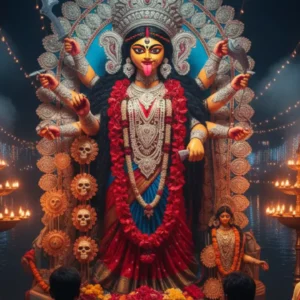
The second legend belongs to Goddess Durga. She fought the demon Mahishasura for nine nights and killed him on the tenth. This act gave rise to the rituals of Navratri and Dussehra.
Both stories point to the same truth: sustained effort, guided by righteousness, leads to victory.
Why Dussehra Marks an Ending
Dussehra is not just a conclusion. It is a closure with a new beginning.
The nine days of Navratri build momentum. Devotees purify their bodies and minds. They reduce distractions, focus on prayers, and align themselves with positive energy. On the tenth day, this process reaches completion.
That is why the Dussehra festival is considered the end of Navratri. Without this culmination, the nine days would feel incomplete.
A young professional once shared how she uses this period for personal growth. She spends Navratri reflecting on her habits and weaknesses. On Dussehra, she burns a symbolic note listing her flaws, like laziness or fear. This ritual gives her a sense of closure and a fresh start.
Cultural Traditions on Dussehra
Dussehra is celebrated in unique ways across India and the world.
In North India, dramatic plays called Ramlila retell Rama’s journey. The burning of Ravana effigies represents the destruction of arrogance and negativity.
In West Bengal, devotees immerse beautifully crafted idols of Goddess Durga into rivers or seas. This farewell marks the end of her earthly visit.
In South India, families arrange dolls and figurines on steps, known as “Golu.” On Dussehra, they close the display with prayers for prosperity.
Even outside India, communities recreate these traditions. A Hindu group in London organizes Ramlila every year, attracting people of all faiths. The Dussehra festival becomes a bridge between cultures.
Personal Lessons from Dussehra
Dussehra’s meaning goes far beyond rituals. It offers practical lessons for modern life.
End negative habits: Just as Rama defeated Ravana, we can defeat harmful habits. Whether it is procrastination, anger, or unhealthy routines, Dussehra is a reminder to end them.
Celebrate victories: Small wins matter. Just as the festival honors a great triumph, take time to acknowledge your daily achievements.
Balance strength and compassion: Rama was a warrior, yet deeply compassionate. Durga was fierce, yet nurturing. This balance helps us live harmoniously.
Believe in patience: Rama waited years to defeat Ravana. Durga fought for nine nights. Endurance matters as much as effort.
One of my friends in Canada uses Dussehra as a family reset day. They sit together, share the challenges faced in the past year, and celebrate the victories. They see it as a festival of closure and hope.
Why Dussehra Inspires Renewal
Although it marks an ending, Dussehra also inspires new beginnings. It falls just before Diwali, another festival of light and hope. The sequence carries a deeper meaning. First, we conquer inner demons through Dussehra. Then, we invite prosperity and light through Diwali.
The Dussehra festival encourages us to see endings not as losses but as opportunities. Just like the harvest season follows the rains, endings make way for growth.
How to Apply Dussehra Teachings Daily
You do not need to wait for the festival to live its wisdom. Here are a few ways to practice its essence daily:
Start your mornings by listing one weakness to overcome.
Light a lamp in the evening as a reminder that truth guides your path.
Use the power of storytelling. Share the legends of Rama or Durga with children to inspire them.
End each week with a symbolic “burning” of something negative, even if it is just a written note.
By doing this, you carry the spirit of Dussehra beyond the festival.
Closing Thoughts
The Dussehra festival is much more than a day on the calendar. It is the closure of Navratri, the celebration of victory, and a chance for renewal. It reminds us that discipline, devotion, and courage always bear fruit.
As you reflect on this festival, ask yourself: what Ravana exists in your life that you need to defeat? What inner demon can you conquer today?
Share your thoughts in the comments. How do you celebrate Dussehra, and what lessons does it bring into your life?