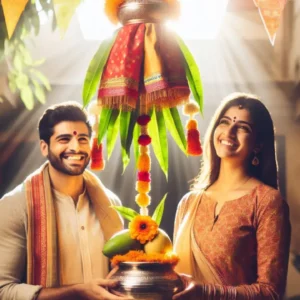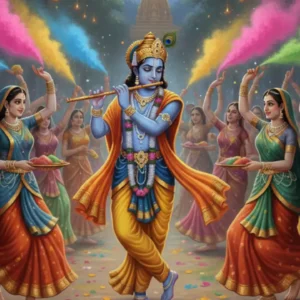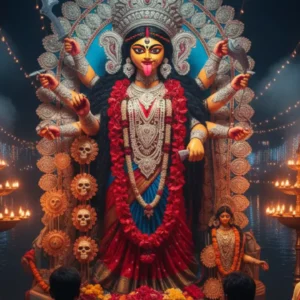
Festivals carry stories, memories, and lessons. Among them, Diwali rituals stand out as traditions that connect generations in a timeless thread of faith. Every family adds its own touch, yet the essence remains the same — gratitude, devotion, and light triumphing over darkness. These practices are not just symbolic; they hold deep relevance even today.
The Significance of Diwali Rituals
Diwali is often described as the festival of lights, but its meaning runs deeper. Diwali rituals are designed to purify homes, uplift the spirit, and strengthen bonds within families. From preparing sweets to performing Lakshmi Puja, every action represents a philosophy of balance between material and spiritual life.
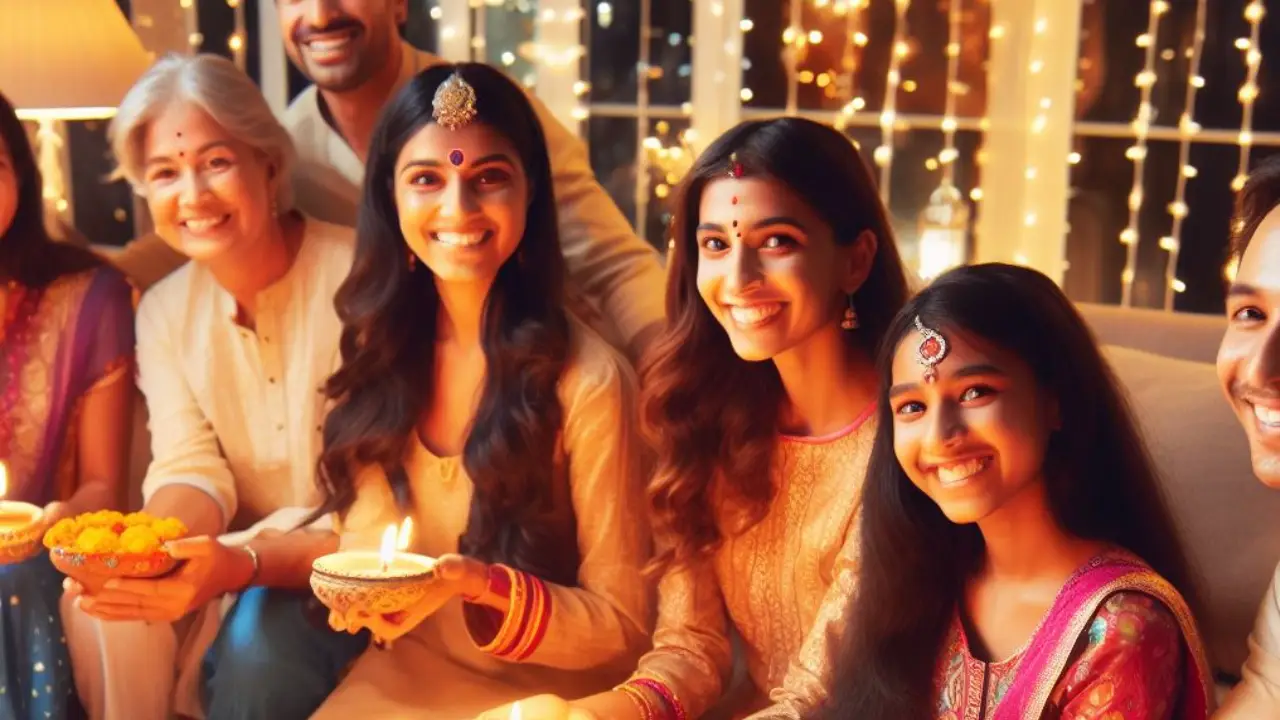
Think of it this way: when a family lights diyas together, it is more than decoration. It is a practice of focusing on positivity and inviting divine blessings into the household. These customs also remind us of the values our ancestors lived by — discipline, respect for nature, and harmony in relationships.
Cleaning and Decluttering the Home
One of the first rituals before Diwali is deep cleaning. It is said that Goddess Lakshmi enters homes that are pure and clutter-free. On a practical level, this ritual encourages cleanliness, organization, and the release of what no longer serves us.
A friend of mine, Priya, shared how her children grumbled when she asked them to clean before Diwali. She turned it into a playful contest — whoever cleared the most unwanted items won a surprise gift. Not only did her house sparkle, but her children also learned the joy of letting go.
Decluttering before Diwali is not just about physical space. It helps families create an environment that feels light and welcoming, mentally and emotionally.
The Ritual of Lighting Diyas
Lighting oil lamps or diyas is the most recognizable Diwali ritual. Traditionally, these lamps were placed in every corner of the house to dispel darkness. Symbolically, the practice teaches us to keep faith even during life’s darkest hours.
Modern life often feels rushed, and stress overshadows joy. Taking a moment to light a diya at dusk can become a personal meditation. Watching the flame flicker quietly reminds us that hope, however small, has the power to brighten everything. Families that continue this ritual often describe it as the moment they feel Diwali truly begins.
Lakshmi Puja and Welcoming Abundance
Lakshmi Puja is perhaps the most important of all Diwali rituals. Families worship Goddess Lakshmi along with Lord Ganesha, seeking prosperity and wisdom. The offerings include sweets, flowers, and coins placed before the idols.
At its heart, this ritual reflects gratitude. It teaches us to honor what we have while seeking blessings for the future. Even those who do not follow elaborate traditions often pause to reflect on their finances, goals, and well-being during this time.
I recall an elderly neighbor, Mr. Mehta, who shared how his father would always remind the children: “Lakshmi blesses those who combine effort with devotion.” For him, the ritual was never about waiting for miracles, but about aligning hard work with faith.
Sharing Sweets and Strengthening Bonds
Another cherished ritual is the exchange of sweets and gifts. At first glance, it may appear as a social custom, but its roots go deeper. Sharing food has always been a way to build trust, celebrate abundance, and bring joy to others.
Handmade sweets especially carry a sense of love and care. My aunt still prepares laddus every Diwali, packing them carefully for family and neighbors. She says, “These sweets are my way of saying I remember you.” The tradition has created strong bonds that continue year after year.
This ritual reminds us to move beyond self-centered living and embrace community, kindness, and generosity.
Rangoli: Welcoming Positivity
Colorful rangoli designs at entrances are another part of Diwali rituals passed down for generations. They symbolize hospitality and beauty, inviting positive energy into homes.
But rangoli also offers something practical for today. Families often sit together while making designs, turning it into a collaborative art activity. Children learn patience, creativity, and the joy of tradition through it. Even those who live in apartments can adapt by creating smaller designs near their doorsteps.
The point is not perfection, but intention. A simple pattern made with flowers can carry the same meaning as an elaborate design.
Fireworks: Joy and Responsibility
Fireworks have long been associated with Diwali. Traditionally, they represented the victory of light over darkness and were believed to drive away negativity. However, modern concerns about safety and the environment have made many families rethink this ritual.
Some families now light sparklers or use eco-friendly lamps instead. Others donate to causes in place of fireworks, finding joy in giving. The key takeaway is that rituals can evolve without losing their essence. What matters is the celebration of joy, unity, and light.
Why These Rituals Remain Relevant Today
The strength of Diwali rituals lies in their adaptability. They were never just about tradition for tradition’s sake. Instead, they were designed to remind people of timeless values: discipline, gratitude, unity, and hope.
For modern households, these rituals are opportunities to pause, connect, and reflect. They offer practical benefits too — from a cleaner environment to stronger family bonds and even mental clarity.
Think of a family gathering during Lakshmi Puja. Everyone puts away their phones, sits together, and chants prayers. That pause from daily noise itself becomes a blessing, creating memories that children carry into adulthood.
Keeping Traditions Alive for Future Generations
Passing down Diwali rituals is not about rigid repetition. It is about explaining the meaning behind them so younger generations embrace them with understanding. Children often ask why they need to light diyas or prepare sweets. When parents share the stories and lessons, rituals transform into meaningful practices rather than chores.
For example, telling the story of Lord Rama’s return to Ayodhya helps children connect lighting diyas with celebration, joy, and victory. Such narratives ensure that rituals remain alive with relevance rather than becoming forgotten customs.
Embracing the Light Within
Diwali rituals passed down for generations are not just traditions. They are timeless reminders to live with gratitude, discipline, and compassion. Their relevance remains strong because they address universal human needs — connection, joy, and hope.
As you prepare for this Diwali, reflect on what each ritual means for your family. Which practice brings you the deepest sense of connection? Which one feels worth passing on to the next generation?
I invite you to share your own experiences in the comments below. Which Diwali ritual holds the most meaning in your life, and why?