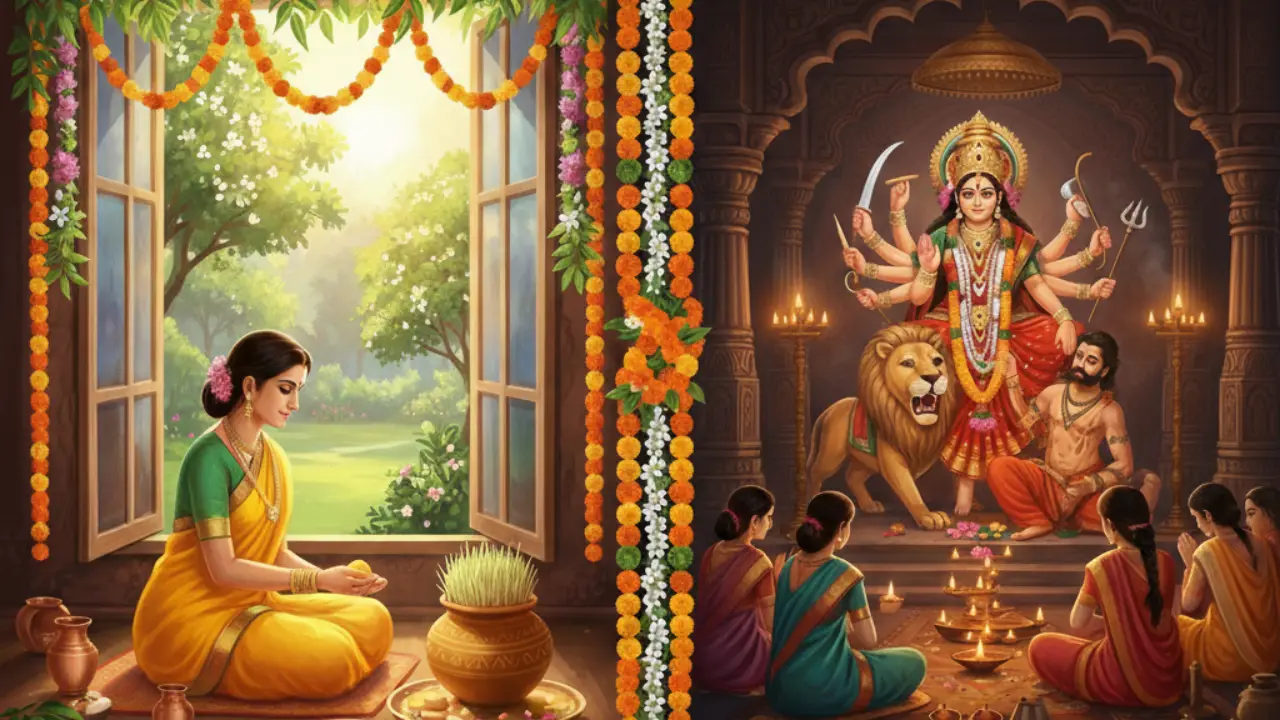
Chaitra Navratri vs Sharad Navratri often confuses even devoted practitioners of Hindu traditions. Both honor Goddess Durga, yet their energies, timing, and lived experiences feel strikingly different. Many families observe both without stopping to reflect on why they exist separately. Understanding these differences deepens devotion and brings clarity to spiritual practice. This comparison helps devotees choose rituals consciously, not mechanically. The contrast also explains why one Navratri feels quieter while the other feels celebratory.
Navratri simply means nine nights of worship. Yet intention changes everything. Chaitra Navratri marks beginnings, while Sharad Navratri celebrates victory and fulfillment. Each aligns with a different phase of nature and the human inner cycle. Recognizing this rhythm allows worship to feel personal, not repetitive. Chaitra Navratri vs Sharad Navratri becomes a guide rather than a calendar detail.
Timing and Seasonal Influence
Chaitra Navratri occurs during the Hindu lunar month of Chaitra, usually falling in March or April. This period marks the start of spring and the traditional Hindu New Year in many regions. Nature shifts visibly during this time, with new growth replacing dormancy. People often feel motivated to reset habits and intentions. The season itself encourages inward reflection and disciplined beginnings.
Sharad Navratri arrives during Ashwin, usually in September or October. This period follows the monsoon season, when the earth feels renewed and abundant. Crops mature, festivals line the calendar, and social energy rises naturally. Worship during this time reflects gratitude and celebration. The seasonal difference explains the emotional contrast between Chaitra Navratri vs Sharad Navratri.
Spiritual Focus and Inner Intention
Chaitra Navratri centers on internal purification. Many devotees treat it as a spiritual reset rather than a public festival. Fasting feels quieter and more disciplined during this time. People focus on prayer, silence, and personal transformation. The goddess appears as a guide for self control and clarity.
Sharad Navratri emphasizes strength, courage, and triumph over negativity. Stories of Durga defeating Mahishasura take center stage. Worship highlights resilience and divine protection. Devotees often pray for success, stability, and external victories. This shift in intention shapes how Chaitra Navratri vs Sharad Navratri gets practiced daily.
Ritual Styles and Daily Practices
During Chaitra Navratri, rituals remain simple and structured. Many devotees follow strict fasting rules and fixed prayer times. Offerings stay minimal, often limited to fruits and simple foods. The atmosphere feels introspective and focused. Even temples reflect a calmer rhythm.
Sharad Navratri encourages expressive devotion. Homes fill with flowers, lights, and music. Group prayers, cultural dances, and elaborate offerings become common. Devotees engage socially while worshiping. This visible enthusiasm distinguishes Chaitra Navratri vs Sharad Navratri clearly.
Connection With Life Stages
Chaitra Navratri often aligns with personal change. Students begin new academic paths. Professionals reassess goals or habits. Families initiate fresh routines or commitments. Worship mirrors these transitions naturally.
Sharad Navratri aligns with harvest and achievement. People celebrate progress made throughout the year. Business owners feel confident launching ventures. Families mark milestones with gratitude. This alignment makes Chaitra Navratri vs Sharad Navratri feel purposeful rather than symbolic.
Fasting Rules and Physical Impact
Fasting during Chaitra Navratri tends to be stricter. Many people avoid grains completely and limit meals. The goal remains detoxification and discipline. Since the body adjusts after winter, lighter foods feel supportive. This fast encourages mindfulness around consumption.
Sharad Navratri fasting often feels more flexible. Devotees include festive fasting foods prepared with variety. Energy levels remain high due to social involvement. The fast feels celebratory rather than austere. These physical experiences highlight another contrast in Chaitra Navratri vs Sharad Navratri.
Goddess Forms and Symbolism
Both Navratris honor the nine forms of Goddess Durga. Yet emphasis shifts subtly between them. Chaitra Navratri highlights nurturing and guidance. The goddess feels like a mentor leading new beginnings. Devotees seek patience, clarity, and grounding.
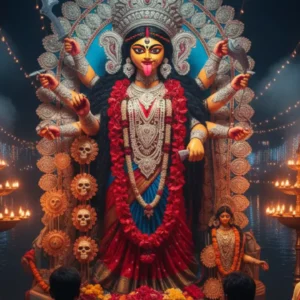
Sharad Navratri highlights power and protection. The goddess appears fierce and victorious. Devotees seek strength to overcome challenges. This symbolic shift deepens understanding of Chaitra Navratri vs Sharad Navratri beyond surface rituals.
Social Engagement and Community Energy
Chaitra Navratri remains largely personal. Many people observe it quietly within their homes. Public celebrations stay limited. Devotion feels intimate and reflective.
Sharad Navratri thrives on community. Cultural events, music, and gatherings become central. Worship blends with shared joy and expression. This social difference strongly defines Chaitra Navratri vs Sharad Navratri for most devotees.
Practical Takeaways for Daily Life
Chaitra Navratri works best for habit resets. Devotees can use it to break unhealthy patterns. Simple daily routines like early rising and reduced screen time align well. Even journaling intentions during this period brings clarity.
Sharad Navratri suits goal reinforcement. Devotees can celebrate progress and strengthen confidence. Expressing gratitude daily amplifies its energy. Both Navratris serve different purposes when approached consciously. Understanding Chaitra Navratri vs Sharad Navratri helps devotees choose meaningful actions.
Why Both Navratris Matter
Many people favor one Navratri over the other. Yet both serve essential spiritual roles. One teaches discipline, while the other teaches celebration. One builds foundations, while the other honors achievement. Observing both creates balance across the year.
The Navratris should not become a comparison of importance. Instead, they represent complementary spiritual phases. When devotees honor both intentionally, devotion matures naturally. Worship stops feeling habitual and becomes lived wisdom.
Final Thoughts
Chaitra Navratri vs Sharad Navratri reflects the rhythm of life itself. Beginnings require silence, while victories invite celebration. Both forms of devotion nurture growth when practiced consciously. Understanding their differences transforms worship into a personal journey. Devotion deepens when intention matches timing.
How do you observe these two Navratris differently? Share your experiences, family practices, or insights in the comments. Your story may help someone worship with greater awareness.