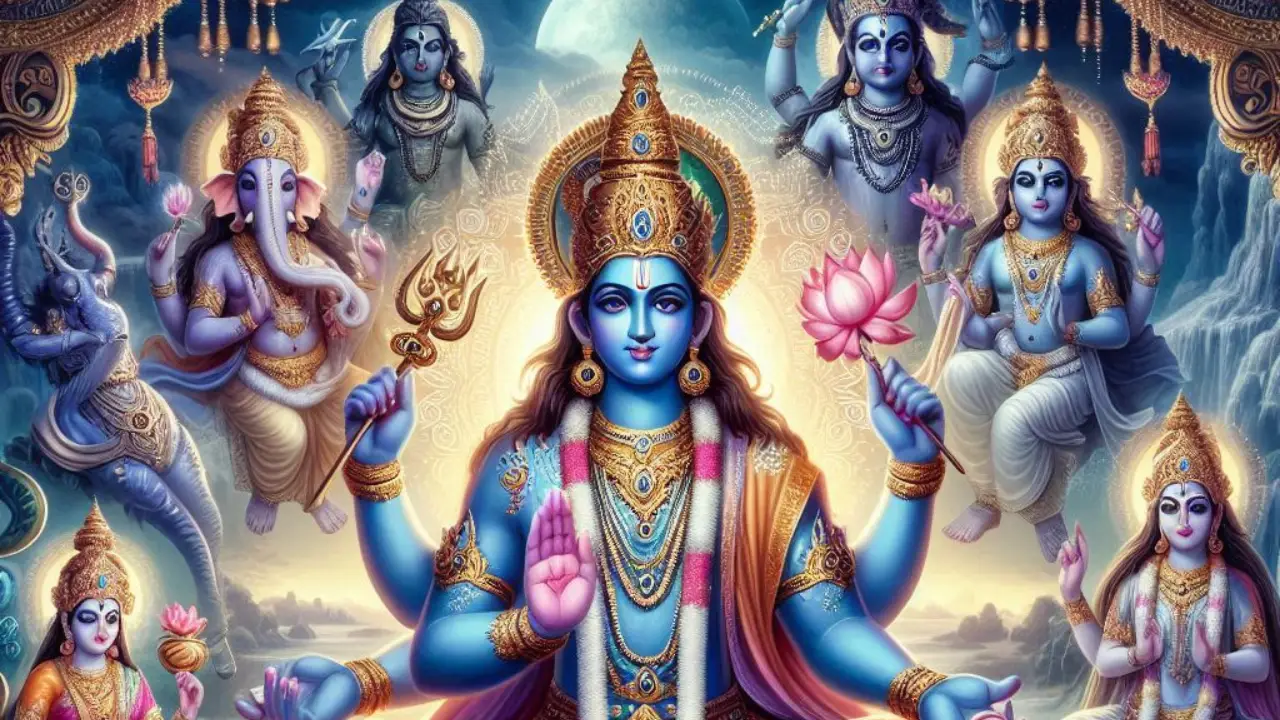
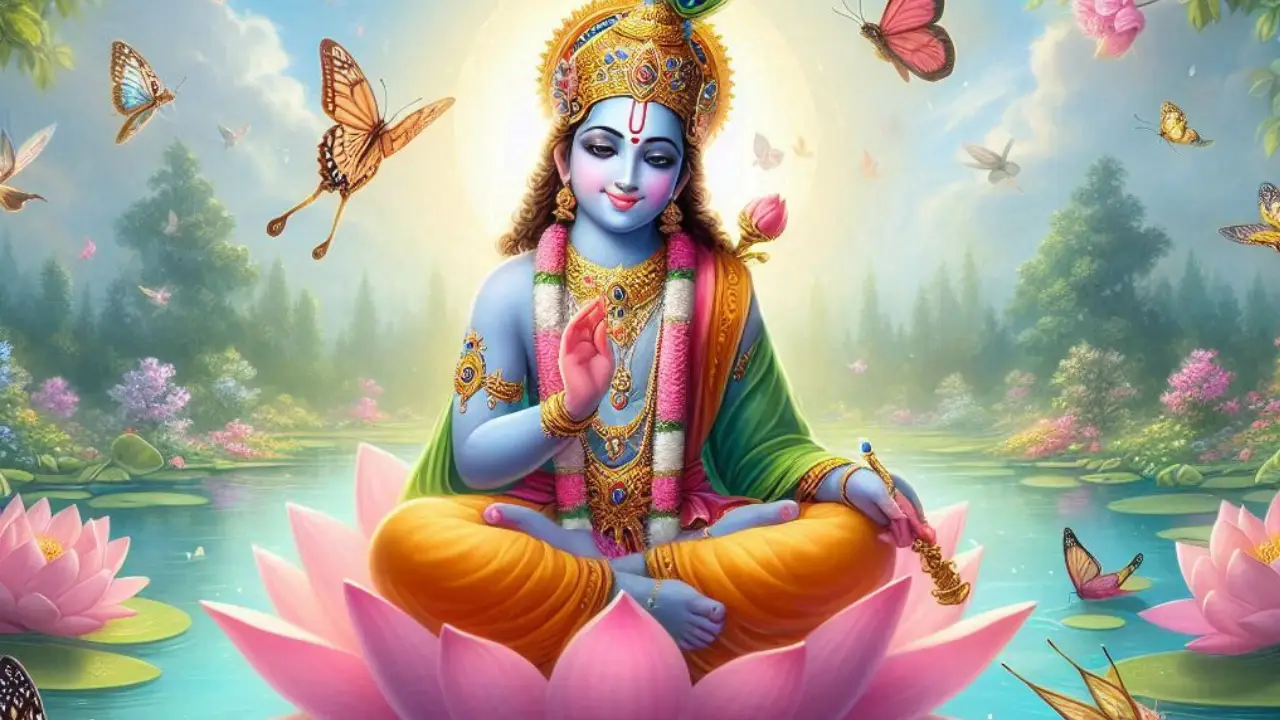
The divine symphony of Hindu mythology is incomplete without the harmonious presence of Lord Vishnu. A pivotal figure in Hinduism, Lord Vishnu is known as the preserver and protector of the universe, maintaining the balance between good and evil. Let’s…
Category: Gods
The concept of Hindu gods is an integral aspect of Hinduism, one of the oldest religious traditions globally. Hinduism is not a monolithic belief system but a tapestry of various beliefs, practices, and ideas that evolved over millennia. At the heart of this tapestry are the deities, playing a central role in shaping Hindu life.
Hindu gods are numerous, often depicted with multiple arms and divine attributes, symbolizing cosmic power. They are manifestations of Brahman, the ultimate reality beyond human comprehension. Hindus worship a pantheon of gods, each with specific roles, reflecting diverse aspects of life and the universe.
Among the revered gods are Brahma, the creator; Vishnu, the preserver; and Shiva, the destroyer—forming the Trimurti, representing creation, preservation, and dissolution. Goddesses like Devi, encompassing forms like Durga, Lakshmi, and Saraswati, also hold significant importance.
Devotees engage in rituals, prayers, and festivities throughout the year. Temples dedicated to these deities provide sacred spaces for seeking blessings and guidance. They offer moral lessons that shape believers’ lives.
The concept of Hindu gods embodies dharma, the righteous path, inspiring adherents to follow it daily. These deities serve as role models, encouraging virtues, selfless duties, and resilience in overcoming challenges.
In conclusion, Hindu gods represent the richness and diversity of Hinduism, guiding millions on their spiritual journey while celebrating life’s interconnectedness.

Life can often feel overwhelming with its constant demands and endless distractions. Amidst the chaos, the ancient wisdom of Lord Krishna offers profound insights on living in the present moment. His teachings, primarily from the Bhagavad Gita, illuminate a path…
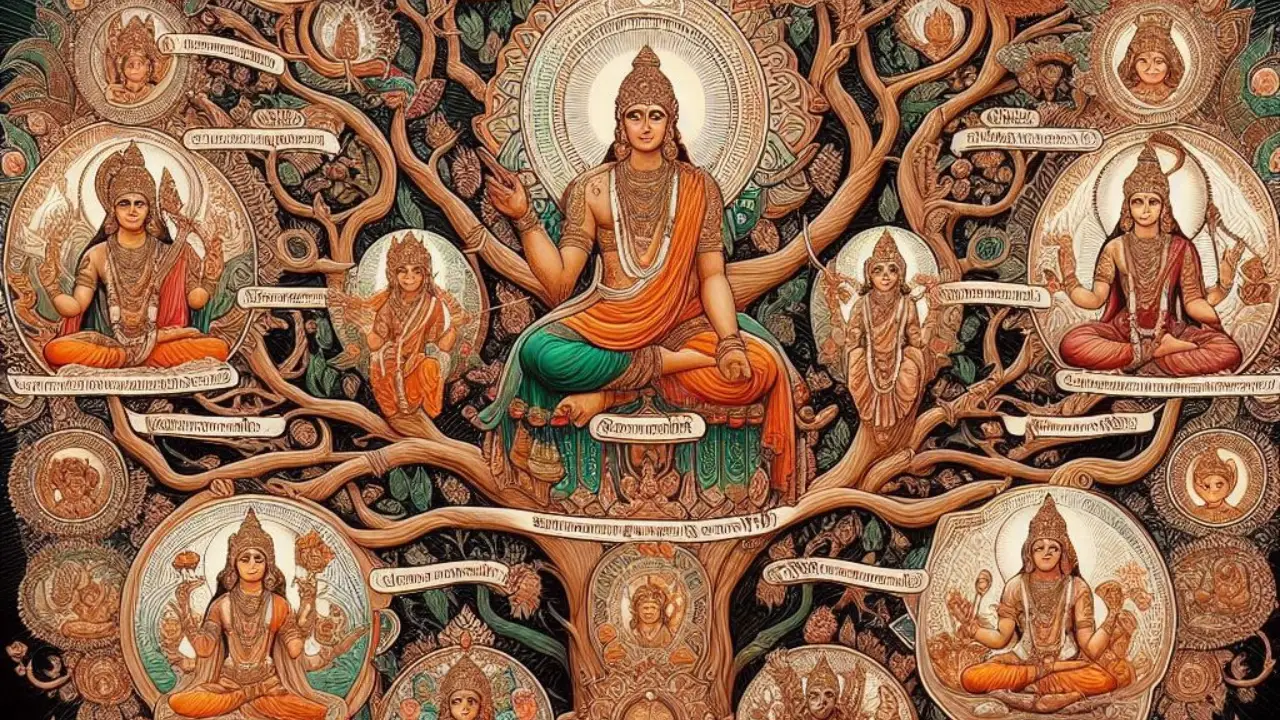
Hindu mythology presents a fascinating and intricate web of deities and their descendants. At the heart of this cosmic structure stands Lord Brahma, the creator of the universe and one of the Trimurti alongside Vishnu and Shiva. The family tree…
Legend has it that in the cosmic dance of creation, Lord Brahma, the creator of the universe, took on many forms to fulfill his divine duties. Among these forms, one of the most intriguing and enigmatic is that of the…
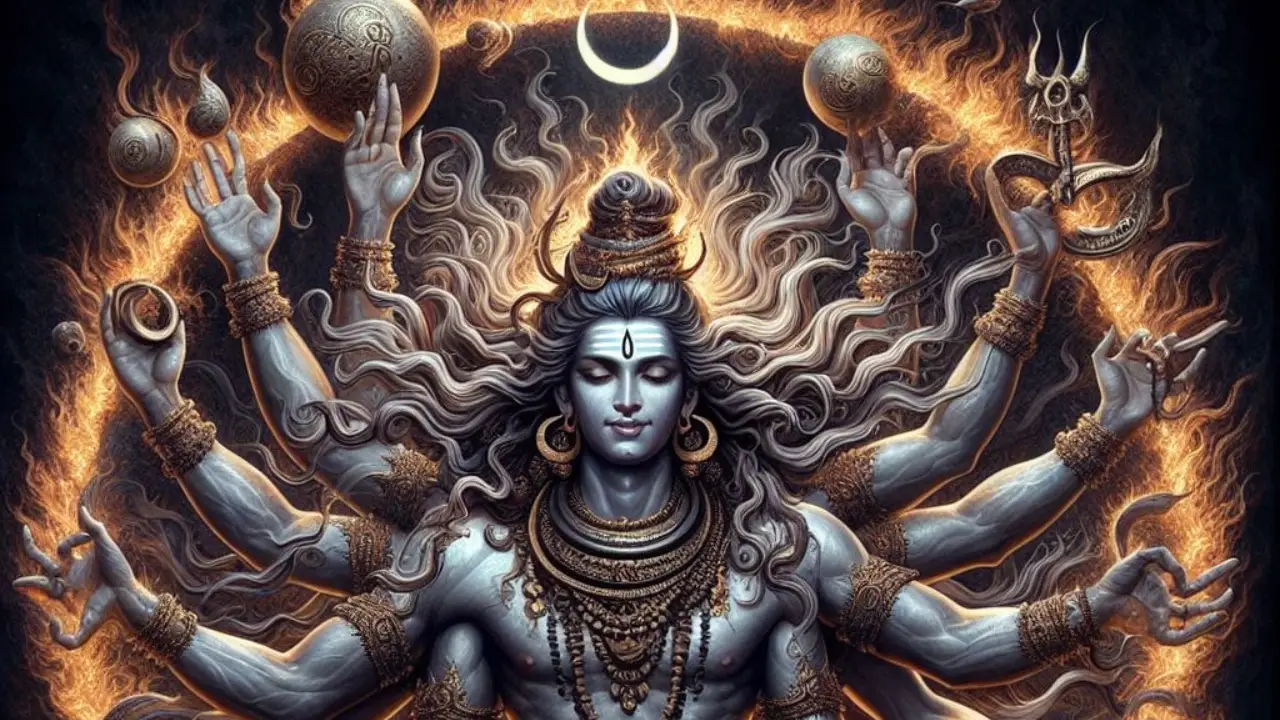
In the ethereal realm of Hindu mythology, amidst the grand tapestry of gods and goddesses, one figure stands out with mesmerizing grace and power: Lord Shiva as Nataraja, the King of Dance. This captivating tale intertwines cosmic significance with artistic…
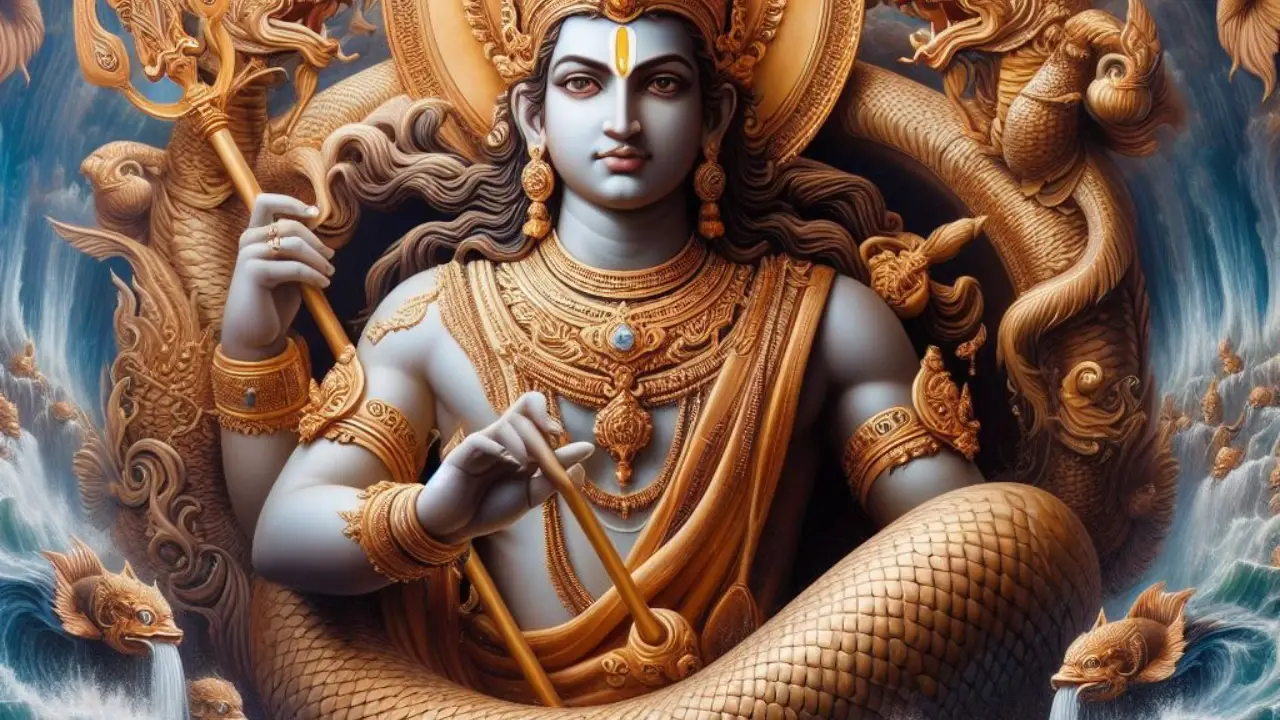
In the mythology of Hinduism, Lord Varuna stands as a formidable deity. He reigns over the vast expanse of water and the boundless sea. His domain encompasses the depths of oceans, the flow of rivers, and even the celestial waters…
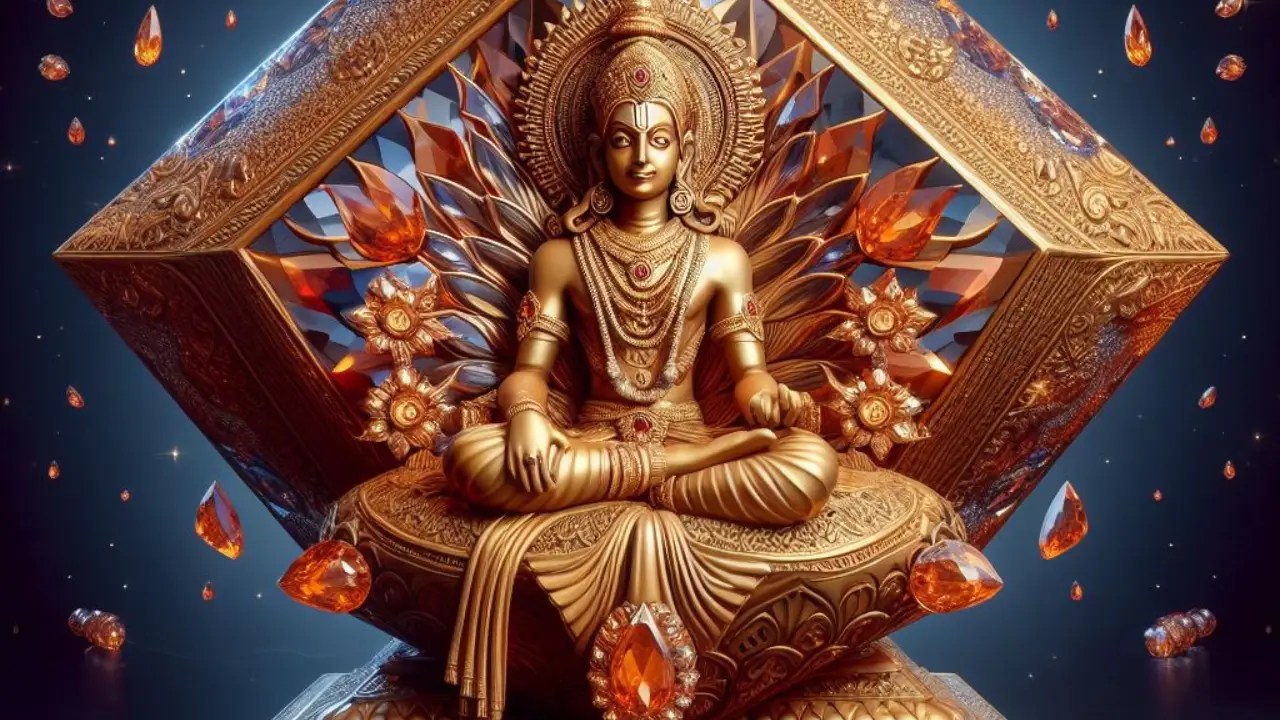
The symbol represents the boundless ocean of consciousness from which all creation emerges.In the vast expanse of Hindu mythology, there exists a tale woven with threads of divinity and adorned with the brilliance of gems. At the heart of this…
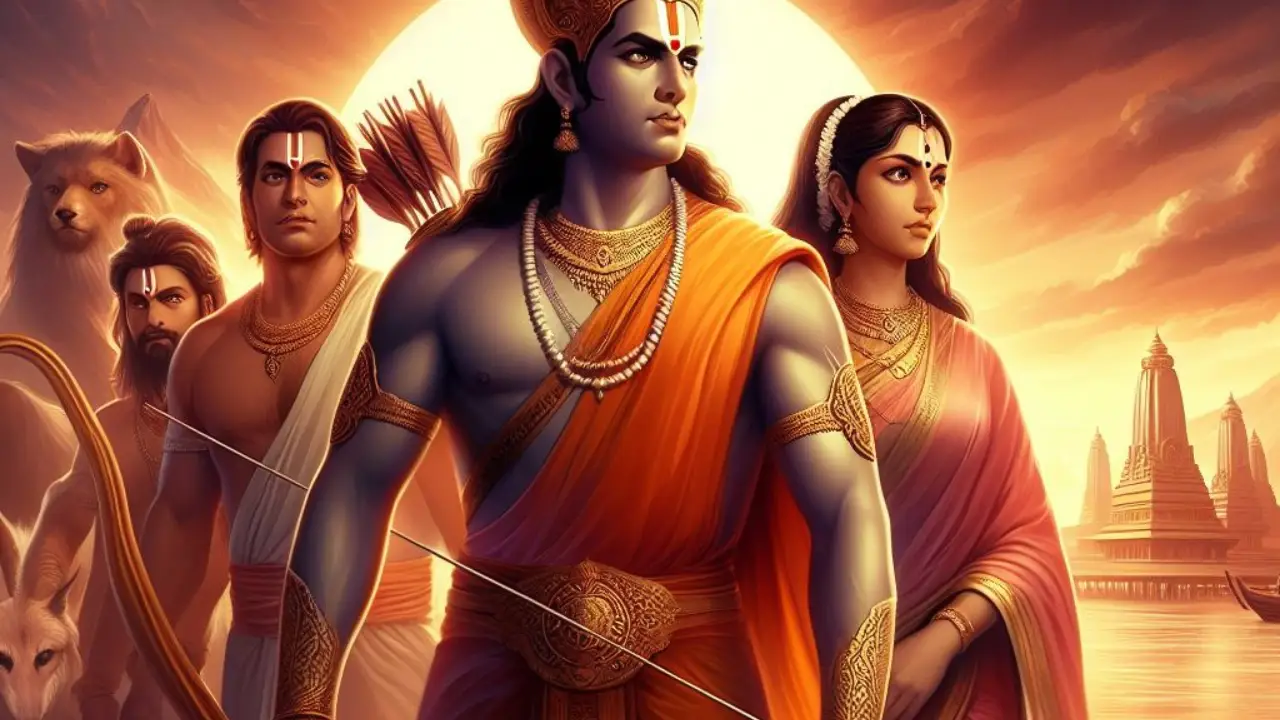
Lord Rama, the central figure of the ancient Indian epic ‘Ramayana,’ is more than a mythological character. His life and journey, replete with challenges, decisions, and triumphs, continue to offer invaluable life lessons. His principles and actions provide a blueprint…
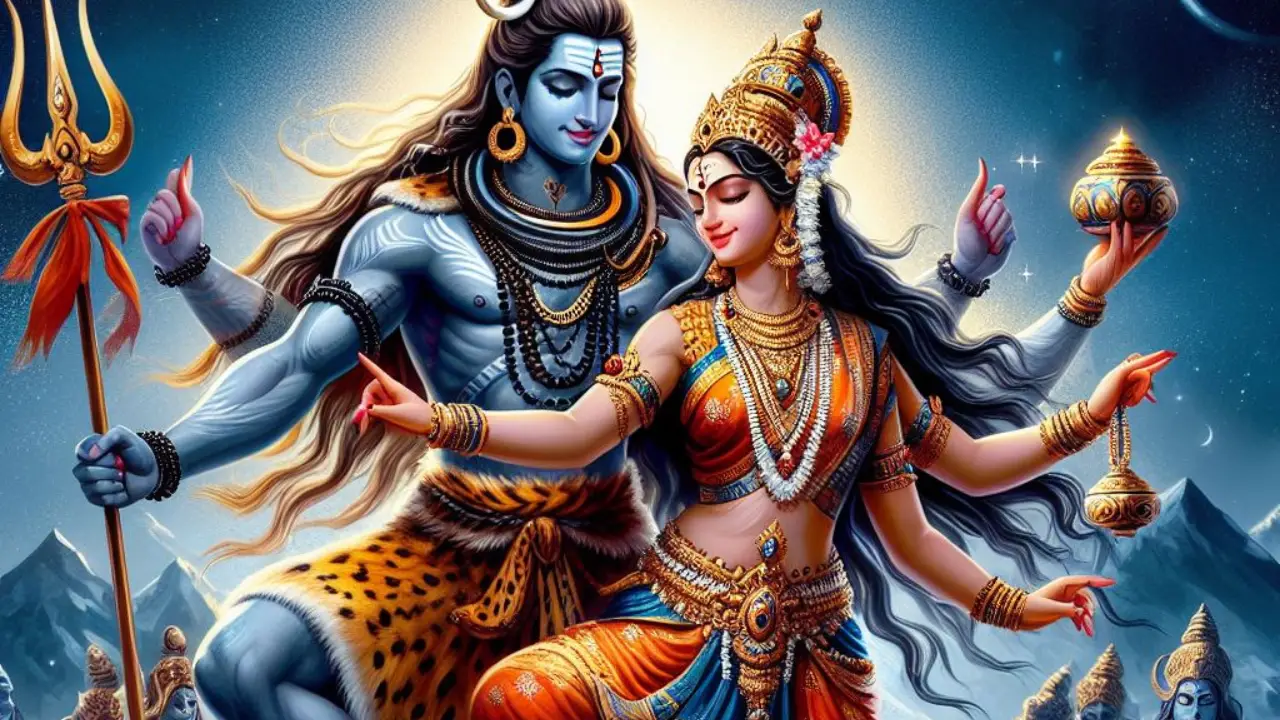
Embracing the mystical essence of Mahashivratri, a celestial convergence where consciousness meets divinity, offers profound insights into the world of spiritual power. This auspicious occasion, celebrated by millions around the world, symbolizes the union of Shiva and Shakti, the masculine…
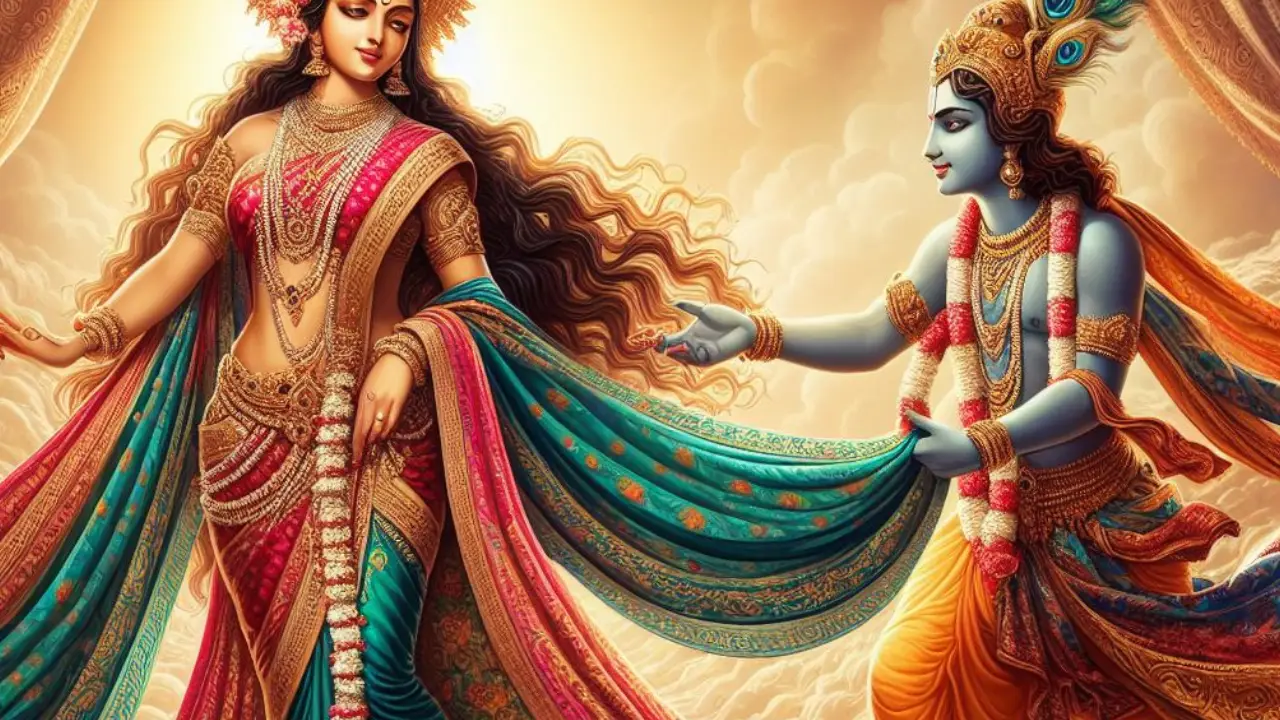
In the world of Indian mythology, the story of Lord Krishna and Draupadi stands out with its depth and significance. This tale, deeply ingrained in the epic Mahabharata, is a moving account of divine intervention, steadfast friendship, and enduring faith….