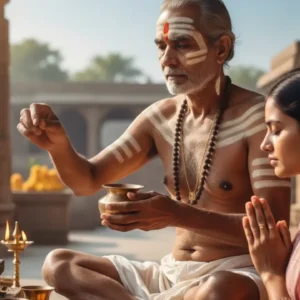

Spiritual seekers across generations have spoken about the transformative power of the sacred fire. The Havan, a deeply revered Vedic ritual, is not just a symbolic offering but a profound practice that purifies the environment, uplifts the mind, and connects humans with the divine. The glow of the fire, the fragrance of the herbs, and the vibration of the mantras together create an experience that touches both the body and soul.
What Makes the Havan Unique
Unlike many rituals, the Havan engages all the senses. You see the flames, hear the chants, smell the ghee and herbs, and feel the heat. This sensory immersion helps participants focus entirely on the act of devotion. The sacred fire is seen as a messenger carrying offerings to the deities. The Rigveda describes fire, or Agni, as the bridge between humans and higher forces.
When we offer clarified butter, grains, or herbs into the fire, it is not just an act of giving. It symbolizes surrender, a reminder that everything we hold is part of the greater whole.
The Science Behind the Sacred Fire
Many dismiss the Havan as a ritual with no practical benefit. Yet research and lived experiences suggest otherwise. The fire’s smoke, created by burning specific herbs, has antibacterial and purifying properties. For instance, samidhas (wood sticks used in Havan) combined with herbs like neem and guggul release natural disinfectants. People who perform regular Havans at home often note a lighter, calmer atmosphere afterward.
During the pandemic, one family in California shared their experience. They began performing a weekly Havan to seek peace. Beyond the spiritual comfort, they noticed fewer respiratory issues among their children. While science may debate, their lived experience reflects the power of this age-old practice.
Symbolism of Fire in Daily Life
Fire is not just physical energy. It is also symbolic of transformation. Just as raw wood turns into ash, Havan reminds us that attachment to material possessions eventually dissolves. The flames represent clarity, urging us to burn away negativity, ego, and ignorance.
Take the example of Rajesh, a businessman from London. For years, he carried the burden of stress from work. At the suggestion of a mentor, he began performing a short Havan every Sunday morning. The process of chanting and offering gave him clarity. He described it as “emptying a heavy bag” each week, helping him start fresh.
Steps to Performing a Simple Havan at Home
While elaborate Havans require trained priests, anyone can perform a simple version at home. Here is a practical approach:
Create a sacred space: Choose a clean, quiet area. Place a small copper or clay Havan Kund (fire pit).
Gather materials: Ghee, dry wood sticks, rice, and herbs like camphor or guggul.
Light the fire mindfully: Begin with a prayer to Lord Agni, asking him to carry your offerings.
Offer with intention: As you place ghee or grains into the fire, chant simple mantras like “Om Swaha.” Focus on surrendering worries.
Close with gratitude: Once the fire cools, bow with folded hands and thank the divine for blessings.
The key is not perfection but sincerity. Even a small five-minute Havan can shift your state of mind.
The Psychological Benefits of Havan
Beyond spiritual significance, the Havan has a calming psychological impact. The rhythmic chanting, the focused attention, and the flames together induce mindfulness. Studies show that repetitive sounds and rituals reduce anxiety and bring mental clarity.
Consider Maya, a student preparing for her exams in New York. She struggled with concentration and constant digital distractions. Her grandmother suggested she join a Havan through an online family gathering. Surprisingly, the act of chanting and watching the fire helped her focus better in the following days.
Collective Energy of Group Havan
One of the most powerful aspects of Havan is its collective energy. When performed in groups, the vibrations of the mantras amplify. The atmosphere becomes charged with positivity, and participants often describe a deep sense of unity.
During a community Havan in Toronto, over fifty families came together. Many reported a sense of connectedness that lasted long after the ritual ended. The act of sitting together, praying, and surrendering to the sacred fire created bonds stronger than words.
Integrating Havan into Modern Life
You may wonder how such an ancient practice fits into busy modern schedules. The truth is, Havan does not demand hours. Even a short ritual performed once a week can make a difference. Families today light a small Havan before important milestones like moving into a new home, starting a business, or celebrating birthdays.
For individuals, a quick morning Havan can be a practice of letting go of yesterday’s burdens and stepping into the day with clarity. Just as people meditate or journal, this can become a personal ritual for renewal.
The Spiritual Dimension
At its deepest, Havan is about surrender. The fire consumes everything without discrimination, teaching us equality and detachment. Whether we offer a spoonful of ghee or a pile of wood, the flames accept all with the same grace.
This humility is a lesson worth carrying into our daily lives. It teaches us to let go of pride and embrace simplicity. It reminds us that transformation begins when we release what no longer serves us.
Why the Havan Still Matters Today
Some may see it as outdated. Yet the challenges of modern life—stress, pollution, isolation—make it more relevant than ever. It purifies not only the air but also the mind. It creates space for gratitude, focus, and humility. Above all, it reminds us that connection to the divine is not confined to temples but can be kindled in our own homes.
Final Thoughts
The Havan is more than ritual. It is a practice that heals, connects, and uplifts. Whether performed alone or in a group, in a temple or at home, it carries the power to purify and transform.
If you have never experienced a Havan, consider starting small. Create a fire, chant with sincerity, and notice how your heart feels afterward. Sometimes the simplest rituals hold the deepest wisdom.
What is your experience? Have you ever felt its impact in your life? Share your thoughts below.