Every seeker remembers their first spiritual spark. That gentle nudge. That one teacher whose words hit home. Guru Purnima is a sacred opportunity to bow to that presence. This day isn’t just about rituals. It’s about recognizing the teacher who changed the direction of your life.
Let’s explore the true significance of Guru Purnima—and how it can transform the way you approach your spiritual path.
What Is Guru Purnima?
Guru Purnima falls on the full moon day (Purnima) in the month of Ashadha, usually in July. This day is dedicated to spiritual and academic teachers. The Sanskrit word Guru means one who dispels darkness (gu = darkness, ru = remover). This celebration honors that role—a guiding light who removes ignorance.
It is also believed to be the day when Sage Vyasa, the author of the Mahabharata, was born. Hence, it is also called Vyasa Purnima.
Why Is the Guru So Important in Hinduism?
You might read a hundred books. Meditate daily. Listen to scriptures. But without a Guru, the journey often lacks direction.
In Hindu philosophy, the Guru is more than a teacher. A true Guru reflects your highest potential. They help you see what you cannot see yourself. The Guru-shishya parampara (teacher-disciple tradition) has always been central to spiritual growth. From Krishna-Arjuna to Ramakrishna-Vivekananda, this sacred bond has been passed down through generations.
The Deeper Meaning of the Guru-Disciple Bond
A real Guru doesn’t just give you answers. They challenge your beliefs. Break your ego. Hold up a mirror to your weaknesses. That’s why this relationship is not always smooth. There may be resistance, doubts, or even anger. But the bond deepens through trust and surrender.
Swami Chinmayananda once said, “A teacher is one who makes himself progressively unnecessary.” The Guru shows you the path, but doesn’t walk it for you. That’s your job.
A Disciple’s Awakening
Let’s take a moment to remember a real story.
An ordinary young man in Bengal was once burning with spiritual questions. He visited saints, read scriptures, and wandered across villages. Still, nothing satisfied him. Then he met Sri Ramakrishna Paramahamsa. In just one meeting, his entire perception changed. That man became Swami Vivekananda, one of India’s greatest spiritual leaders.
Vivekananda didn’t just find a teacher. He found a mirror, a mentor, a guide, and an embodiment of truth. This is the power of the Guru. One meeting can transform a lifetime.
How Guru Purnima Is Celebrated Today
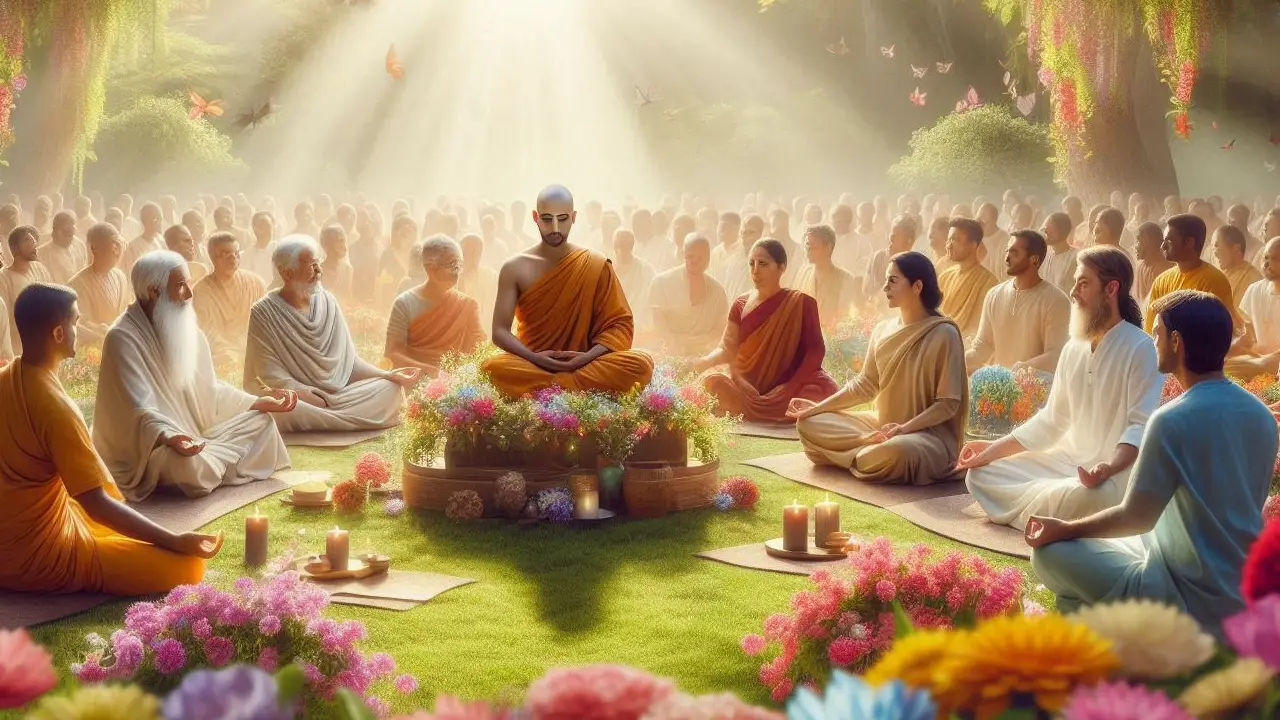
Temples across India host special satsangs and bhajans. Disciples offer flowers, fruits, and a heartfelt pranam (bow) to their Gurus. But physical gifts don’t matter as much as inner sincerity. The greatest gift you can offer is your willingness to learn and grow.
Many people also use this day to begin spiritual practices like japa, meditation, or scriptural study. Some observe silence or fast, dedicating the day to reflection.
How to Celebrate Guru Purnima Personally
You don’t need to be in an ashram to honour your Guru. Here are simple ways you can celebrate this sacred day:
1. Express Gratitude
Write a letter to your teacher—spiritual or otherwise. Thank them for their role in your life. You can even speak to them silently in your heart.
2. Start a New Practice
Begin chanting a mantra or reading a sacred text. Even 10 minutes daily can shift your energy.
3. Self-Reflection
Ask yourself: What am I resisting in my growth? What guidance am I ignoring?
4. Serve Others
True discipleship is not selfish. Volunteer, help someone, or simply listen with patience. Your inner Guru will shine brighter.
Can You Celebrate Guru Purnima Without a Guru?
Yes, absolutely.
Your first Guru is your inner conscience. Then come your parents, teachers, and eventually a spiritual master. If you haven’t found a spiritual teacher yet, don’t worry. Use this day to prepare yourself.
Clean your inner space. Clarify your intention. When the student is ready, the teacher does appear. But readiness requires humility.
Lessons Guru Purnima Can Teach You Daily
Guru Purnima is not just a one-day festival. It teaches you how to live with reverence.
Here are simple truths you can apply every day:
Stay teachable. Ego blocks learning.
Listen deeply, even to silence.
Act with awareness, not impulse.
Honour those who guide you—even if they trigger you.
Reflect regularly: What have I learned today?
These aren’t lofty ideas. They’re daily practices that can slowly lead to transformation.
Ancient Verses That Capture the Guru’s Role
Hindu scriptures often describe the Guru with powerful verses. One famous mantra says:
“Guru Brahma, Guru Vishnu, Guru Devo Maheshwara
Guru Sakshat Parabrahma, Tasmai Shri Gurave Namah”
It means: The Guru is Brahma (creator), Vishnu (preserver), and Shiva (transformer). The Guru is the supreme consciousness itself.
Such verses aren’t just poetic. They point to how vital the Guru is to one’s spiritual evolution.
Modern Discipleship: Blending Tradition with Daily Life
You might be juggling work, family, and responsibilities. So how do you stay connected to your Guru or path?
Here’s how:
Schedule 10-15 minutes daily for silence or prayer.
Watch or listen to your Guru’s teachings during commute or breaks.
Keep a small photo or symbol of your Guru in your workspace.
Apply one lesson from their teaching in daily life.
Spirituality isn’t about renouncing the world. It’s about living consciously within it—with your Guru as your inner compass.
Let This Day Be More Than Ritual
Guru Purnima is not about outward celebration alone. It’s about recognizing the sacred presence that guides you—within and without.
If you’ve found your Guru, treasure them. If not, prepare yourself. Open your heart. Reflect on your life. The right teacher often shows up when you’re finally ready to receive.
Final Thoughts: What Will You Do Differently?
Will you just light a lamp and move on? Or will you let the teachings shape your journey? True gratitude lies not in words, but in transformation. On this Guru Purnima, make a small shift. Reflect. Begin again. Stay true to your path.
Now, over to you.
Who has played the role of a Guru in your life? How do you honour them? Drop your thoughts in the comments below. Your story might inspire someone else.