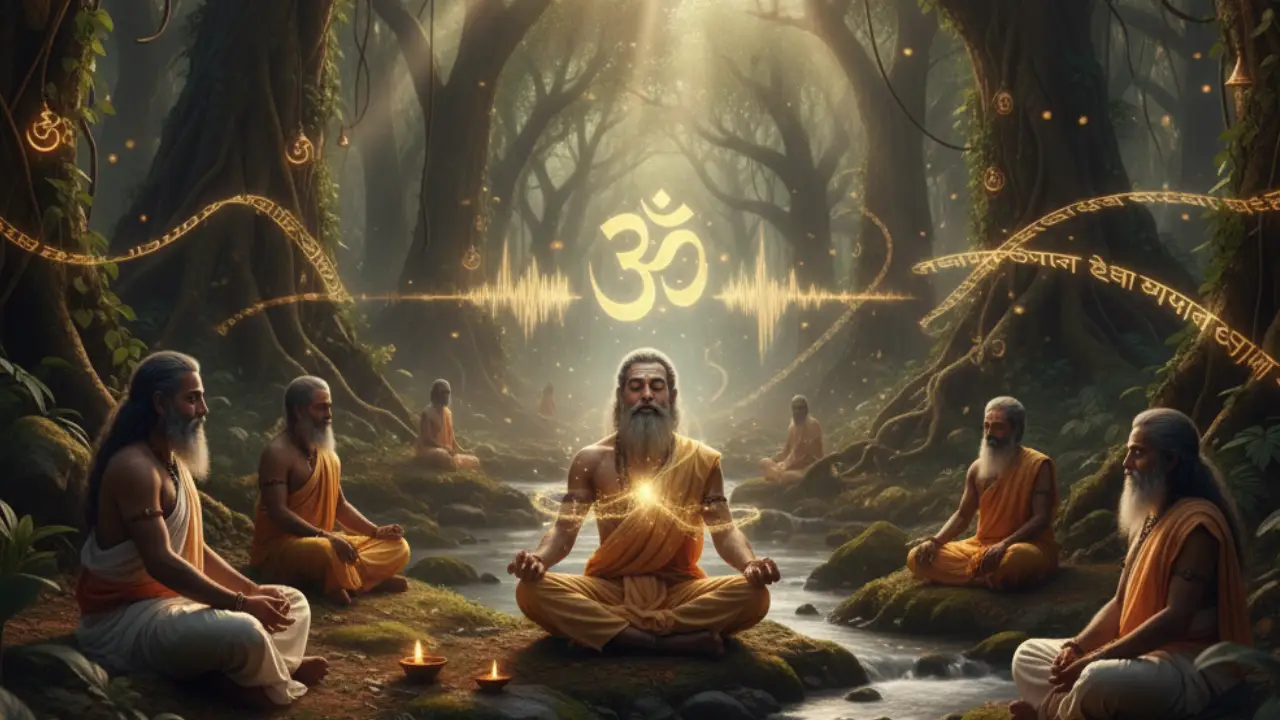
The history and origins of Mantras begin with sound, breath, and focused human intention. Sacred syllables did not emerge as poetry alone. They arose as tools for inner alignment and mental discipline. Ancient seekers noticed how repeated sound shaped awareness. That observation slowly turned into structured chanting practices. Over time, mantras became bridges between thought, speech, and lived experience.
Early spiritual communities treated sound as a force with measurable impact. Spoken words influenced memory, emotion, and group harmony. Repetition created rhythm, and rhythm shaped attention. This understanding formed the foundation of mantra practice. The history and origins of Mantras rest on lived observation, not abstract belief.
Oral Traditions and the Power of Sound Memory
Before writing systems existed, knowledge traveled through the human voice. Teachers passed wisdom through careful memorization. Sound accuracy mattered deeply. A single syllable change altered meaning and effect. This emphasis preserved mantras across centuries.
Ancient families trained children to chant daily. Morning recitation strengthened memory and discipline. Elders corrected tone and breath patiently. That practice built mental clarity and emotional steadiness. Many modern memory techniques mirror these early chanting methods.
Sound also united communities. Group recitation synchronized breathing and attention. People felt connected without explanation. This shared rhythm reinforced social trust. Such experiences explain why mantras survived cultural shifts.
Vedic Roots of Mantra Practice
The most documented phase of the history and origins of Mantras appears within early Vedic culture. Seers composed hymns through deep listening and contemplation. These hymns later formed the Rig Veda. Chanting followed strict phonetic rules to preserve vibrational accuracy.
Mantras served practical purposes. Farmers chanted before planting. Healers used sound during recovery rituals. Teachers used chants to train attention. Sound acted as both prayer and mental technology.
Vedic practitioners believed sound carried intention forward. They treated speech as sacred action. Chanting demanded presence and ethical clarity. This discipline shaped personal responsibility alongside devotion.
Meaning Beyond Language
Mantras do not rely on literal translation alone. Many syllables hold no direct dictionary meaning. Their impact comes through vibration and repetition. This idea challenges modern language habits.
A teacher once guided a student struggling with anxiety. Instead of advice, the teacher offered a simple mantra. The student repeated it daily while walking. Within weeks, breathing steadied and reactions softened. No philosophical explanation was required.
The history and origins of Mantras reveal this practical focus. Sound worked first. Meaning followed later. That order remains relevant today.
Mantras and the Inner Mind
Later texts expanded mantra understanding beyond ritual use. The Upanishads explored inner awareness deeply. They connected sound with consciousness itself. Chanting became a path toward self inquiry.
Mantras trained attention gently. Repetition reduced mental noise. Practitioners noticed thoughts without chasing them. This skill improved decision making and emotional balance.
Many modern mindfulness practices echo these insights. Focused repetition still anchors wandering minds. The history and origins of Mantras quietly shaped mental health tools used today.
From Sacred Fire to Silent Repetition
Early chanting often involved fire rituals and group settings. Over time, private repetition gained importance. Silent mantra practice emerged as a powerful method. This shift allowed personal spiritual discipline anywhere.
A traveler once described repeating a mantra during long journeys. The sound offered stability during uncertainty. Crowded stations felt calmer. Fatigue reduced without effort. Such stories repeat across cultures.
This adaptability explains mantra survival. Practice evolved without losing essence. The history and origins of Mantras show flexibility rooted in purpose.
Classical Yoga and Mantra Integration
Later systems integrated mantras with physical discipline. The sage Patanjali emphasized focused repetition. Mantras supported concentration and ethical living. They anchored the mind during meditation.
Yoga students noticed improved posture awareness through chanting. Breath synchronized naturally. Mental resistance softened. This integration balanced effort and ease.
Such observations still guide teachers. Sound supports movement and stillness equally. The history and origins of Mantras remain visible within modern yoga practice.
Global Spread and Cultural Adaptation
Mantras traveled beyond their original settings through trade and teaching. Different cultures adapted sounds respectfully. Pronunciation shifted slightly, yet intent remained stable. This adaptability ensured continuity.
A business professional once shared using mantra repetition before presentations. Confidence improved without forced positivity. The practice grounded attention rather than inflating ego. This example shows modern relevance clearly.
The history and origins of Mantras never limited practice to temples. Everyday life provided fertile ground.
Practical Ways to Apply Mantra Wisdom Today
Begin with consistency rather than complexity. Choose one mantra and repeat daily. Focus on sound and breath together. Avoid multitasking during practice.
Morning repetition sets tone for the day. Evening chanting calms mental residue. Five minutes suffice when attention stays present. Journaling afterward deepens awareness.
Observe changes patiently. Improved focus appears first. Emotional responses soften later. The history and origins of Mantras teach patience as strength.
Why Mantras Still Matter
Modern life bombards attention constantly. Mantras offer simplicity without escape. Sound anchors awareness gently. This balance explains lasting relevance.
Scientific studies now explore sound repetition effects. Brainwave patterns show calming shifts. These findings echo ancient insights closely. The history and origins of Mantras align with lived human experience.
Closing Reflection and Invitation
Mantras survived because they work quietly and consistently. They require no belief, only participation. Sound shapes attention through experience. That truth transcends time.
Share your experiences with chanting or sound practices. What changes did you notice first? Your insights may guide another reader forward.