
Morning light, a clean doorway, and a bright flag fluttering gently often signal the arrival of Gudi Padwa. Gudi Padwa traditions carry deep meaning beyond ritual actions or festive decoration. They speak about renewal, discipline, and conscious beginnings. Many people celebrate without fully understanding why each step exists. Learning the intention behind Gudi Padwa traditions makes them easier to practice in modern life.
This festival marks a symbolic new year rooted in clarity and preparedness. The customs encourage people to reset habits, thoughts, and priorities. Ancient practices may appear distant from today’s lifestyle. Yet their relevance feels surprisingly practical when viewed closely. Gudi Padwa Traditions still guide daily living with quiet wisdom.
The Meaning Behind Raising the Gudi
The gudi stands tall outside homes as a sign of victory and protection. It traditionally uses a bright cloth, neem leaves, sugar crystals, and an inverted pot. Each element represents balance between bitterness and sweetness. Life rarely stays one sided, and the gudi reminds people to stay steady.
A working professional named Daniel once shared how this ritual changed his mindset. He placed a simple gudi near his balcony instead of skipping the tradition. That small act reminded him to approach the year with discipline and optimism. Gudi Padwa traditions do not demand perfection. They invite intention and awareness.
Raising the gudi also reflects accountability. It stands visible to everyone, much like personal values should. Even modern homes can adapt this practice with simplicity. The meaning matters more than materials.
Cleaning the Home as Mental Preparation
Homes receive a deep clean before the festival begins. This habit extends beyond physical hygiene. It encourages emotional clearing and decision making. Old items leave the house, creating space for clarity.
A family living in a small apartment once used this time to donate unused belongings. They noticed lighter moods and fewer arguments afterward. Gudi Padwa traditions emphasize readiness before celebration. Clean surroundings support clear thinking.
Modern schedules feel packed, yet small actions still count. Clearing digital clutter or unfinished tasks works equally well. The tradition teaches preparation before progress. That lesson fits every lifestyle.
Neem and Jaggery Balance in Daily Choices
Consuming neem leaves with jaggery feels symbolic and practical. The taste reflects life’s mixed experiences. Sweetness without bitterness lacks depth. Bitterness without sweetness becomes unbearable.
Gudi Padwa traditions teach emotional balance through this simple act. A business owner once shared how this ritual shaped her leadership approach. She learned to accept criticism alongside praise. Both experiences helped her grow steadily.
Modern life brings constant highs and lows. This tradition reminds people not to resist either. Balance creates resilience. Small rituals often deliver powerful lessons.
Starting the New Year with Intentional Actions
The festival encourages fresh beginnings rooted in clarity. People avoid impulsive decisions on this day. Instead, they focus on intention setting. Simple plans feel more powerful than rushed resolutions.
Someone starting a new project once chose Gudi Padwa to outline goals. He avoided deadlines and focused on purpose. That calm planning helped him stay consistent for months. Gudi Padwa traditions prioritize thoughtful action over quick results.
Modern productivity often pushes speed. This festival promotes direction instead. Starting slowly often leads to lasting success. That wisdom remains timeless.
Wearing New Clothes and Personal Identity
New clothes symbolize renewal rather than luxury. They represent stepping into a refined version of oneself. The practice encourages dignity and self-respect.
A teacher once described how wearing traditional attire changed her mood. She felt grounded and present during the day. Gudi Padwa traditions link external presentation with internal discipline.
Modern interpretations may include minimal or ethical clothing choices. The purpose stays the same. Conscious appearance shapes mindset. This habit encourages respect toward self and surroundings.
Food Preparation as a Family Practice
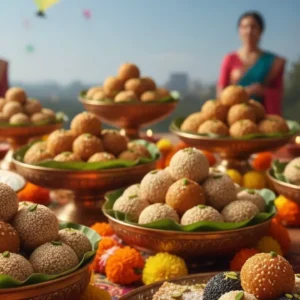
Special dishes prepared during the festival involve cooperation and patience. Cooking becomes a shared effort rather than a task. Each recipe holds meaning tied to nourishment and balance.
A young couple once chose to cook together instead of ordering food. They discovered stronger communication through shared preparation. Gudi Padwa traditions strengthen bonds through simple collaboration.
Modern families may adapt recipes based on time or diet. The act of preparing food together matters most. Shared effort builds emotional connection. That lesson never loses value.
Spiritual Reflection Without Rigid Rules
Gudi Padwa encourages reflection without pressure. People offer prayers, gratitude, or silent intention. The focus remains personal rather than performative.
A traveler celebrating alone once spent time journaling instead of temple visits. He reflected on lessons learned over the year. Gudi Padwa traditions allow flexibility without losing meaning.
Modern spirituality often feels rushed or forced. This festival teaches quiet presence. Reflection works best when genuine. Personal connection matters more than formality.
Financial Awareness and Ethical Beginnings
Many people begin new accounts or review finances during the festival. This practice promotes responsibility and foresight. Money management aligns with ethical intention.
A freelancer once reviewed yearly expenses during Gudi Padwa. She adjusted pricing and savings plans thoughtfully. Gudi Padwa traditions support conscious wealth handling.
Modern life often separates spirituality from finance. This festival bridges that gap. Ethical beginnings influence long term stability. Awareness creates confidence.
Adapting Gudi Padwa Traditions Today
Not every ritual needs strict replication. Adaptation keeps traditions alive. The values behind actions matter most.
A family living abroad celebrated with a simple symbolic gudi. They shared stories explaining its meaning. Gudi Padwa traditions survived distance through intention.
Modern life demands flexibility. Tradition supports stability when adapted wisely. Respecting essence over form keeps customs relevant.
Why These Traditions Still Matter
Gudi Padwa traditions teach preparation, balance, and intentional living. They align daily actions with long term values. The festival offers structure without rigidity.
People searching for grounding often rediscover these practices. They provide rhythm within chaos. Ancient wisdom supports modern clarity. That relevance continues quietly.
Bringing Gudi Padwa into Everyday Life
The festival does not end after one day. Its principles extend throughout the year. Clean starts, balanced thinking, and mindful choices shape daily life.
Someone practicing these values reported reduced stress and better focus. Gudi Padwa traditions work when applied consistently. Small habits create lasting impact.
Modern life moves fast. These traditions slow it meaningfully. That balance supports long term well being.
A Thought to Carry Forward
Gudi Padwa traditions invite reflection rather than obligation. They encourage conscious beginnings rooted in balance. Modern life benefits from these lessons more than ever.
How do you interpret these traditions today? Which practice feels most relevant to your current life stage? Share your thoughts and experiences in the comments. Your story may help someone else begin anew.