Walking through the sacred town of Puri, the towering spire of the Jagannath Temple captures your heart before your eyes. The grandeur, history, and spiritual energy of this holy shrine make it one of the most cherished places of worship in Hinduism. Devotees travel from every corner of the world to experience the divine presence of Lord Jagannath and the unique rituals that surround this temple.
A Living Symbol of Faith
The Jagannath Temple is not just a structure of stone. It is a living spiritual center that breathes faith, devotion, and history. Built in the 12th century by King Anantavarman Chodaganga Deva, it stands as a symbol of Odisha’s sacred heritage. The temple is dedicated to Lord Jagannath, a form of Lord Krishna, worshipped alongside his siblings Balabhadra and Subhadra.
Every ritual, every offering, and every festival here is deeply rooted in centuries-old traditions. Unlike many temples, the Jagannath Temple places great emphasis on inclusiveness. The gods here are seen as guardians of humanity, reaching out to every devotee without discrimination.
The Sacred Architecture of the Temple
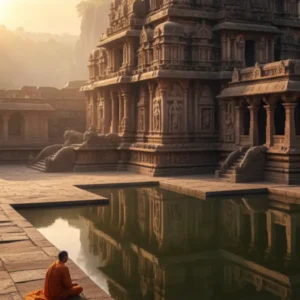
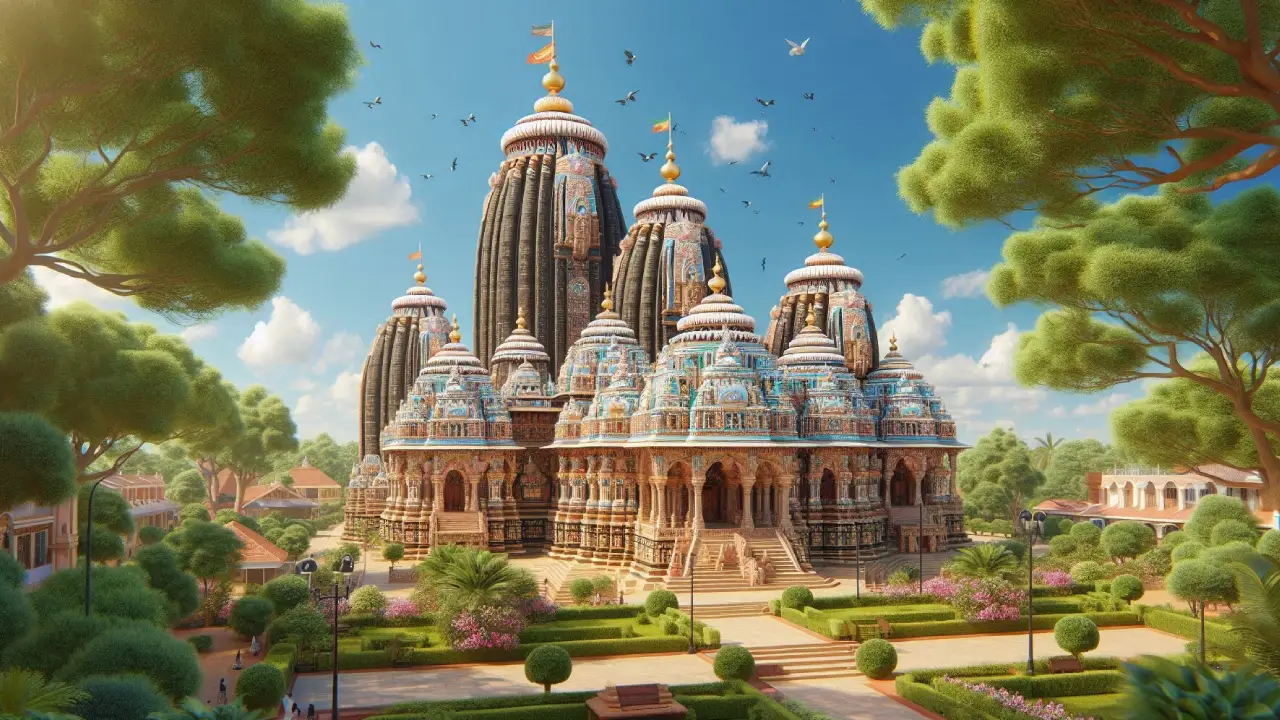
The structure of the temple is an architectural marvel of the Kalinga style. The towering shikhara rises above the city, visible from miles away, symbolizing divine protection. Within the temple complex, different mandapas (halls) lead devotees toward the sanctum. Each wall, pillar, and carving tells stories of gods, battles, and eternal truths.
What makes the temple unique is its deeply symbolic design. The main sanctum represents the cosmic body of the divine. Walking inside is not just entering a building, but stepping into a space that mirrors the universe. Pilgrims often describe a deep sense of humility as they approach the sanctum.
The Mystery of the Deities
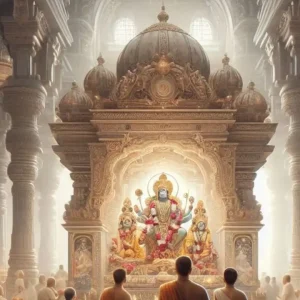
One of the most fascinating aspects of the Jagannath Temple lies in the form of the deities. Unlike traditional idols, Lord Jagannath, Lord Balabhadra, and Devi Subhadra have unique wooden forms with large eyes and unfinished limbs. This imagery signifies the boundless nature of the divine, beyond human limitations.
A devotee once explained it beautifully. Standing before Jagannath, she felt that the large eyes never left her. They made her feel seen, heard, and accepted. For many, the form of Jagannath reflects divine compassion that embraces imperfections in human life.
The Famous Rath Yatra
The annual Rath Yatra, or Chariot Festival, stands as one of the temple’s grandest events. During this festival, thousands of devotees place the deities on gigantic wooden chariots and pull them through the streets of Puri. The sight of the chariots moving together is breathtaking.
This festival carries a profound lesson. The gods step out of the sanctum to meet the people. It symbolizes the divine moving closer to humanity, breaking barriers of caste, status, and distance. Many devotees believe that pulling the ropes of the chariot brings spiritual merit and washes away past sins.
Food as Divine Offering
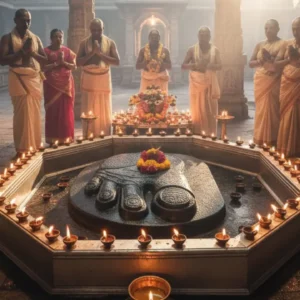
One of the temple’s most beautiful traditions is the Mahaprasad. Cooked in earthen pots, the food is offered first to the deities and then shared with devotees. What is unique here is the method of preparation. The food is cooked on firewood in a stack of pots placed one above the other. Miraculously, the top pot cooks first.
For many pilgrims, tasting Mahaprasad is a deeply spiritual act. It reminds them that food, when prepared with devotion, becomes sacred nourishment for body and soul. Even people who rarely go to temples often feel moved by the purity of this offering.
Lessons for Daily Life
The sanctity of the Jagannath Temple goes beyond rituals. It offers profound life lessons that can guide daily living.
Embrace Inclusiveness – Lord Jagannath welcomes everyone. This teaches us to accept people without judgment in our own lives.
Celebrate Simplicity – The wooden deities show us that perfection is not necessary to be divine. Our flaws can still hold beauty.
Share Food and Kindness – Mahaprasad reminds us that food gains value when shared. Practicing generosity can transform relationships.
Step Out for Others – Just as the deities leave the sanctum during Rath Yatra, we can step outside our comfort zones to support others.
A Pilgrim’s Experience
I once met a traveler named Michael from Germany who visited the Jagannath Temple. Initially, he knew little about Hindu traditions. But after witnessing the Rath Yatra, he said, “I have never seen such unity. People of all backgrounds pulling the same rope together. It felt like humanity itself was moving closer to God.”
His experience reflects the global appeal of the temple. Devotion here transcends language, culture, and geography.
The Spiritual Significance of Puri
Puri is not just home to the Jagannath Temple. It is one of the four sacred Char Dham pilgrimage sites in Hinduism, along with Badrinath, Dwarka, and Rameswaram. People believe visiting Puri completes a devotee’s spiritual journey.
Walking along the beach at sunrise, hearing the temple bells in the distance, and watching pilgrims chant “Jai Jagannath” creates an unforgettable spiritual atmosphere. Puri is not just a destination but an experience of divine connection.
Applying Jagannath’s Teachings
Every devotee who leaves Puri takes something personal back home. Some carry the memory of Rath Yatra, some remember the Mahaprasad, while others hold on to the silent gaze of Lord Jagannath.
The real value lies in applying these experiences in daily life. Practicing compassion, inclusiveness, humility, and generosity keeps the spirit of Jagannath alive in our homes and communities. Spirituality is not limited to rituals inside a temple. It extends into the way we live, treat others, and share joy.
Why the Temple Still Matters Today
Modern life often pulls people into stress, competition, and isolation. The Jagannath Temple stands as a reminder of collective faith, unity, and simplicity. It teaches that spirituality is not complicated. It is about connection, sharing, and acceptance.
For those seeking peace and meaning, a visit to the temple or even learning about its traditions can offer clarity. The story of Jagannath is the story of divine love reaching out to humanity.
Conclusion: Carrying Jagannath in Your Heart
The sanctity of the Jagannath Temple is not confined to Puri. It can live in our hearts and guide our daily choices. Devotees who visit return not only with blessings but also with a renewed perspective on life.
Have you ever visited Puri or experienced the call of Lord Jagannath in your own way? Share your story in the comments below. Let us continue the conversation and spread the divine message of inclusiveness and compassion.