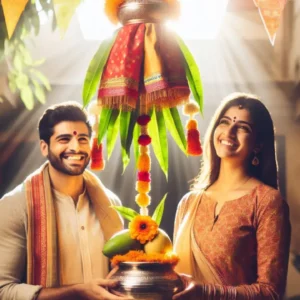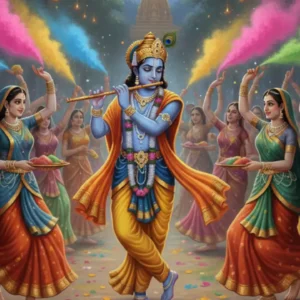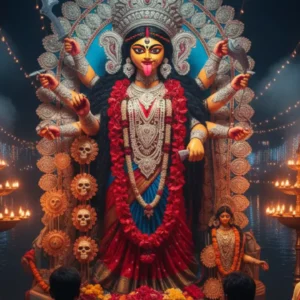

Diwali five days of celebrations carry deep meaning and timeless traditions that touch every Hindu household. Each day holds its own story, customs, and spiritual purpose. Families prepare weeks in advance, yet the real magic unfolds from Dhanteras to Bhai Dooj.
Let me explore each day in detail so you can understand not only the rituals but also the lessons behind them.
Day One: Dhanteras – The Festival of Prosperity
Dhanteras marks the beginning of Diwali five days. The word comes from Dhan meaning wealth and Teras meaning the thirteenth lunar day. This day is dedicated to Goddess Lakshmi and Lord Dhanvantari.
Traditionally, families purchase gold, silver, or utensils. The act is not about luxury alone but symbolizes inviting prosperity into the home. A friend of mine once shared how her grandmother never missed buying a simple brass bowl on Dhanteras. Even if money was tight, that small purchase reminded them that wealth also means gratitude and blessings.
Practical tip: If you cannot buy precious metals, bring home something small yet meaningful. Even a clay pot or lamp works when bought with devotion. Light a diya near the entrance to welcome positive energy.
Day Two: Naraka Chaturdashi or Chhoti Diwali – The Triumph of Light
The second day of Diwali five days is known as Naraka Chaturdashi or Choti Diwali. This day celebrates the victory of Lord Krishna over the demon Narakasura. The festival represents the triumph of light over darkness and truth over lies.
Homes are cleaned thoroughly. People decorate entrances with rangoli and fresh flowers. Early morning oil baths are considered cleansing rituals. My neighbor once explained how her family bathes before sunrise and then applies sesame oil, symbolizing the removal of impurities.
Practical step: On this day, focus on personal renewal. A cleansing bath, discarding clutter, or even writing down and burning old regrets can bring mental clarity.
Day Three: Lakshmi Puja – The Main Diwali Celebration
The third day is the heart of Diwali five days. Families worship Goddess Lakshmi, seeking her blessings for wealth, peace, and prosperity. Lord Ganesha, remover of obstacles, is also worshipped alongside her.
People light rows of diyas to guide Lakshmi into their homes. Firecrackers fill the night sky, although many now prefer eco-friendly alternatives. In one family gathering I attended, instead of fireworks, everyone lit sparklers and shared sweets. The joy was the same, but with less noise and smoke.
Practical step: Perform Lakshmi Puja with sincerity. Keep your home well-lit, especially near entrances and windows. Gratitude is key. As one family practice, write down what you are thankful for and place it near the altar.
Day Four: Govardhan Puja or Annakut – Celebrating Nature and Devotion
The fourth day is known as Govardhan Puja in North India and Annakut in many traditions. This festival recalls the time when Lord Krishna lifted the Govardhan hill to protect villagers from torrential rains sent by Indra.
The day highlights the importance of nature and community. Devotees prepare a mountain of food, symbolizing abundance, which is later shared as prasad. I once visited a temple on Govardhan Puja where hundreds of dishes were displayed. What touched me most was the inclusiveness—everyone, rich or poor, sat together and ate the same meal.
Practical step: Cook a few extra dishes at home, even if small, and share them with neighbors or those in need. The spirit lies in generosity, not in scale.
Day Five: Bhai Dooj – Celebrating Sibling Bonds
The final day of Diwali five days is Bhai Dooj, dedicated to the bond between brothers and sisters. Sisters perform aarti for their brothers, apply tilak, and pray for their long life. In return, brothers offer gifts and pledge protection.
This ritual reflects love and respect within families. A cousin of mine lives abroad and could not meet his sister for Bhai Dooj. Yet they connected over a video call, and she performed the tilak virtually. Traditions adapt, but the essence of love remains.
Practical step: Even if distance separates you, reach out to your sibling. Share blessings, memories, or a simple meal together online. The bond matters more than the formality.
The Deeper Message of Diwali Five Days
While each day has its rituals, the larger message is universal. Dhanteras teaches gratitude for prosperity. Choti Diwali encourages cleansing negativity. Lakshmi Puja reminds us of devotion and abundance. Govardhan Puja highlights harmony with nature. Bhai Dooj strengthens family bonds.
Think about how these lessons fit into your life today. Prosperity is not just money; it is health, gratitude, and kindness. Cleansing is not just physical; it is also emotional release. Community meals remind us that no one should be left behind. And family bonds give us strength in uncertain times.
Applying the Lessons Daily
Here are some simple ways to integrate the spirit of Diwali five days throughout the year:
Buy or give something meaningful every month, no matter how small.
Practice personal cleansing rituals like journaling or meditation to release negative emotions.
Keep gratitude lists near your prayer space or on your phone.
Share meals with neighbors, friends, or colleagues. Small acts of generosity ripple outward.
Nurture family bonds with regular calls, visits, or shared rituals.
These practices help keep the essence of Diwali alive beyond the festive season.
Final Thoughts
Diwali five days carry stories of faith, victory, gratitude, and love. They remind us to balance prosperity with generosity, rituals with meaning, and traditions with modern adaptations. When celebrated with devotion, each day becomes more than a ritual. It becomes a life lesson.
I would love to hear your personal Diwali traditions. Do you have unique family rituals or memories tied to these five days? Share them in the comments below so we can learn from each other.