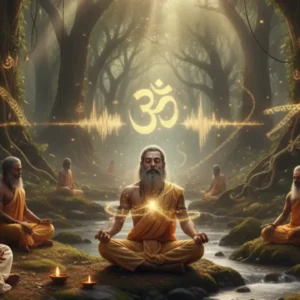

People often talk about peace, but few understand how to access it from within. Chanting mantras offers a time-tested path. The science behind mantras explains why these sacred sounds can calm the mind, sharpen focus, and even improve health.
This is not just about faith. There’s deep reasoning behind why mantras work. Whether you’re spiritual, curious, or skeptical, understanding how they affect the body and mind can be life-changing.
What Is a Mantra and Why Is It Powerful?
A mantra is a sacred sound, word, or phrase repeated with focus. Originating from Sanskrit, the word ‘mantra’ breaks into “manas” (mind) and “tra” (tool or vehicle). So, a mantra is essentially a tool for the mind.
The power lies in sound. Sound is vibration. And everything, including our thoughts and bodies, vibrates at different frequencies. When you chant a mantra, your vibration aligns with the meaning and energy of that sound. This alignment creates harmony in the body and mind.
The Science Behind Mantras and Sound Vibrations
Scientific studies now support what Hindu traditions have said for centuries. The brain responds to sound. Each chant stimulates specific parts of the brain. For example, the “Om” chant activates the parasympathetic nervous system, which helps calm stress.
MRI scans have shown that chanting slows brain activity. It enhances relaxation and reduces anxiety. A 2016 study published in the International Journal of Yoga found that chanting mantras helped reduce depression and anxiety in participants within just four weeks.
Sound therapy is already being used in modern medicine. Ultrasound for healing tissues, or binaural beats to calm the mind, are examples. The science behind mantras works similarly. Specific frequencies reach into the nervous system and bring balance.
Breath, Mantras, and the Nervous System
Every chant is tied to breath. When you chant slowly and deeply, you automatically breathe deeply. Deep breathing activates the vagus nerve, which helps relax the body.
Take the example of the Gayatri Mantra. It has 24 syllables. When recited slowly, it takes about 20 seconds, which is the ideal breathing length for calming the mind. It’s no accident. Ancient sages structured these chants with both breath and vibration in mind.
You may have heard people say that just five minutes of chanting calms them more than half an hour of silence. That’s the nervous system responding to rhythmic sound and breath.
Mantras and Brainwaves: A Direct Connection
Chanting mantras can shift your brainwave patterns. Normally, your brain operates in a high-alert beta state. But chanting moves it into an alpha or theta state. These are the same brainwaves associated with creativity, meditation, and healing.
Alpha waves promote relaxation. Theta waves open doors to the subconscious. When you’re in these states, learning, healing, and even manifestation become easier.
Try chanting “So Hum” for a few minutes. You’ll notice your thoughts slowing down. That’s not magic. That’s brain chemistry shifting.
Real-Life Impact: Stories That Inspire
Let’s take David, a 45-year-old graphic designer. He struggled with anxiety for years. Doctors prescribed medication, but nothing worked long term. A friend introduced him to chanting “Om Namah Shivaya” every morning.
Within three weeks, David noticed a change. He felt more balanced. His panic attacks reduced. Today, it’s part of his daily routine, and he credits mantras for his transformation.
Millions around the world share similar stories. Whether it’s corporate professionals, athletes, or students, many now turn to mantras for mental clarity and emotional strength.
Why Pronunciation Matters in Mantra Chanting
Sanskrit is a vibrational language. The sound and pronunciation are vital. Slight differences can change the frequency. That’s why chanting mantras properly is important.
Think of it like tuning an instrument. If it’s even slightly off-key, the music loses its impact. Mantras work the same way. The right tone creates resonance inside your body.
You don’t need to be perfect. But learning the correct pronunciation brings better results. Try learning from audio recordings by trusted teachers or traditional gurus.
Scientific Institutions Are Paying Attention
Top research centers are now exploring the science behind mantras. Institutions like Harvard and Stanford have studied the effects of repetitive sound on the brain.
One 2018 study from the University of Pennsylvania found that repetitive chanting increases GABA production. GABA is a neurotransmitter that reduces fear and anxiety. This shows how mantras directly affect mental health.
Also, chanting boosts serotonin and dopamine. These are your “feel-good” hormones. So, mantras don’t just make you feel calm, they make you feel happier too.
Applying Mantras in Daily Life
You don’t have to sit in a temple to benefit from mantras. You can chant in your car, during a walk, or before sleep. Just choose a mantra that resonates with you.
For healing, “Om Tryambakam Yajamahe” is powerful. To get focus, try “Om Aim Saraswatyai Namaha”. For grounding, chant “Om Namah Shivaya”.
You can start with just three minutes daily. Over time, your body and mind will begin to crave the peace it brings.
Consistency is key. Even if you don’t feel the difference immediately, give it a few weeks. Your nervous system needs time to rewire.
The Collective Power of Group Chanting
Chanting alone has benefits. But chanting in a group creates a field of energy. The vibrations multiply. It becomes a shared sacred space.
Whether it’s a community gathering or a virtual group chanting session, the energy shift is real. Even skeptics report a sense of calm after participating.
This isn’t imagination. When people chant together, their heartbeats and brainwaves often sync up. That’s the true power of shared intention and vibration.
Final Thoughts: Trust the Process
The science behind mantras is not a mystery anymore. It’s measurable, visible, and deeply effective. Whether you seek peace, health, or spiritual growth, chanting is a tool worth using.
Try it. Commit to seven days. Observe how your mind and body respond. There’s no downside. Only peace, focus, and emotional strength to gain.
Have you experienced the effects of chanting in your life? Or are you just beginning? Share your experience or doubts below. Your story may help someone else take the first step. Let’s start a conversation on how sacred sound changes lives.